Leave Your Message
Supplement Label Claims and Regulatory Compliance: What B2B Buyers Must Know Before Bringing a Product to Market
News

Supplement Label Claims and Regulatory Compliance: What B2B Buyers Must Know Before Bringing a Product to Market

2026-07-09
supplement-label-compliance-review

Every year, the U.S. Food and Drug Administration sends warning letters to dietary supplement companies for making claims on labels that cross the line from allowed structure-function language into prohibited drug claims. The dividing line between what a supplement can say and what it cannot is not always intuitive, especially for brand owners and private label buyers who are new to the U.S. market.
The legal framework governing supplement label claims was established by the Dietary Supplement Health and Education Act of 1994. DSHEA defined dietary Supplements as a category of food, not drugs, and set the rules for what claims manufacturers can make. Three decades later, that framework remains the foundation of U.S. supplement regulation — and a frequent source of confusion for B2B buyers planning their first product launch.

Three Categories of Allowed Label Claims

Under the FD&C Act and implementing regulations in 21 CFR Part 101, the FDA recognizes three types of claims that may appear on dietary supplement labels. Each type has specific requirements, and the consequences of misclassification can range from a warning letter to product seizure.
Table: Three Types of Allowed Label Claims

Claim Type

What It Describes

FDA Authorization

Example

Health Claim

Relationship between substance and reduced disease risk

Must be authorized by FDA regulation

Adequate calcium may reduce osteoporosis risk

Nutrient Content Claim

Level of a nutrient in the product

Must follow regulatory definitions

Excellent source of vitamin D

Structure/Function Claim

Effect on normal body structure or function

No pre-approval; notify FDA within 30 days

Calcium builds strong bones

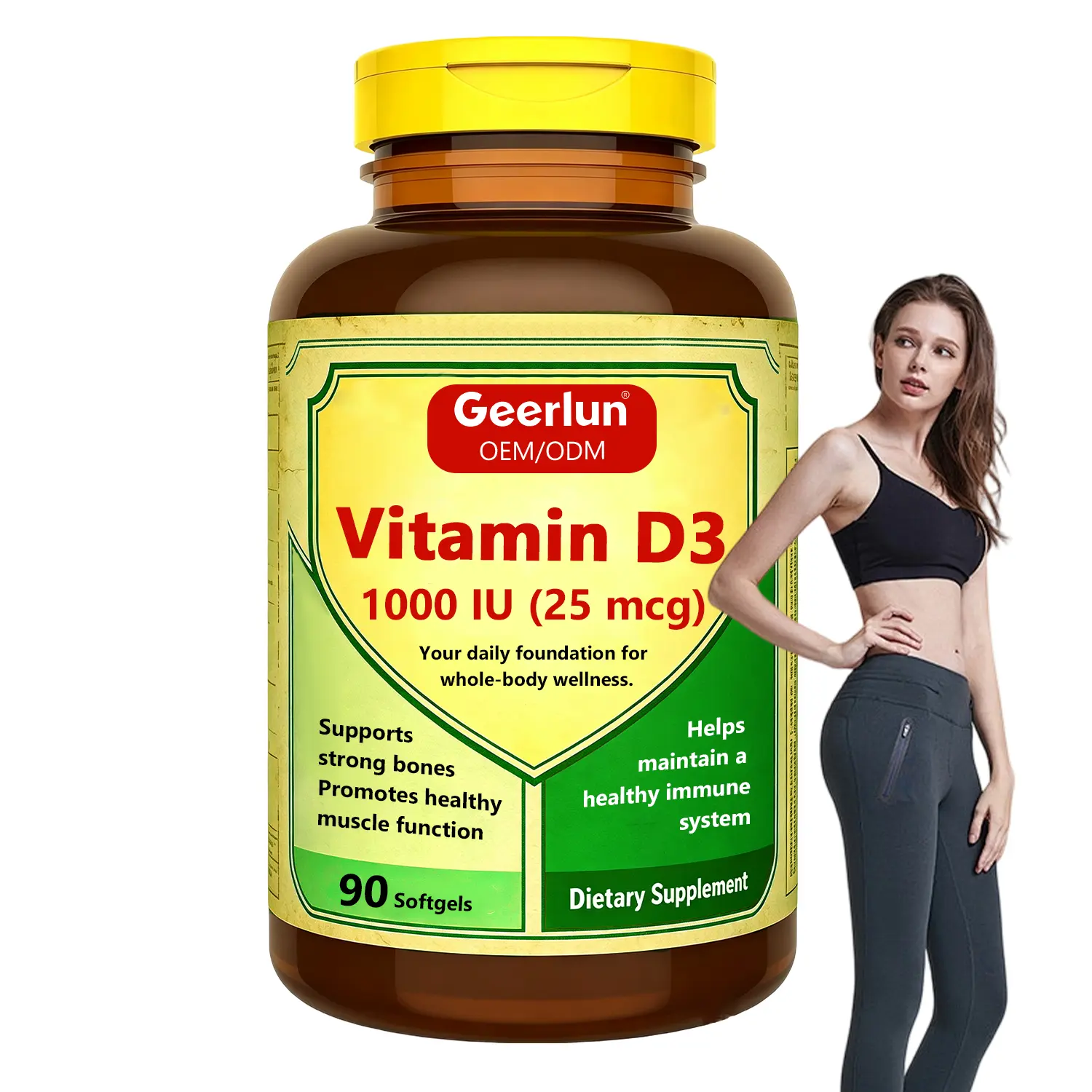
Structure/function claims are by far the most common type found on dietary supplement labels, and they are also the most frequently misunderstood. Under DSHEA, a structure/function claim can describe the role of a nutrient or ingredient in maintaining normal body structure or function, or it can describe general well-being from consumption of the ingredient. But it cannot explicitly or implicitly claim to diagnose, treat, cure, or prevent any disease.

The difference between "supports cardiovascular health" and "treats heart disease" is not just regulatory semantics. It is the legal line between a supplement and a drug.

The Structure/Function Claim Disclaimer

Any supplement label that carries a structure/function claim must also display a specific disclaimer statement. The required text reads:
"This statement has not been evaluated by the Food and Drug Administration. This product is not intended to diagnose, treat, cure, or prevent any disease."
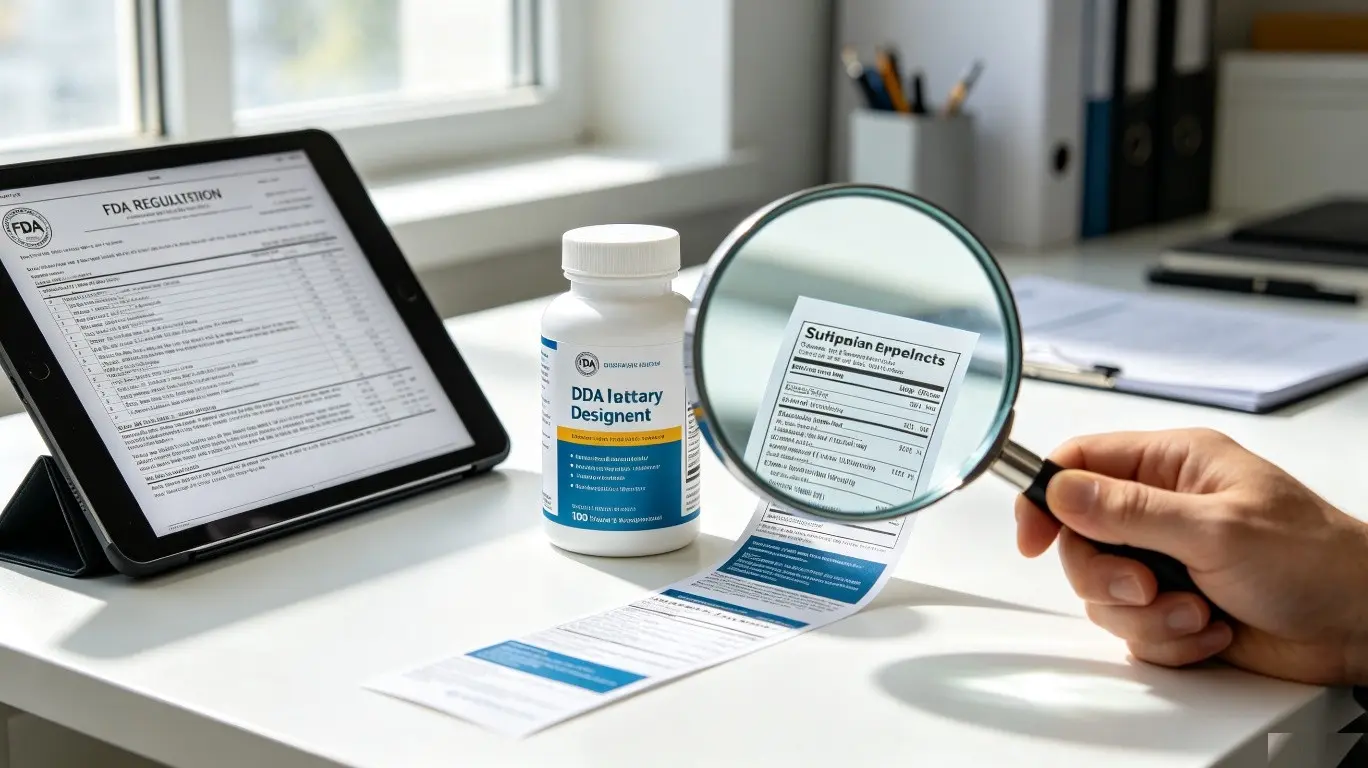
The disclaimer must appear in a box, be set off from other label information, and be printed in a type size no smaller than one-sixteenth of an inch. It must also be prominently placed so that it is likely to be read by consumers under ordinary conditions of purchase. For B2B buyers reviewing label proofs from a manufacturing partner, the presence and formatting of this disclaimer is one of the simplest compliance checks available.
In addition to posting the disclaimer, manufacturers making structure/function claims must submit a notification to the FDA within 30 days of first marketing the product. The notification identifies the manufacturer, the product, and the specific claim being made. This is not an approval process — the FDA reviews notifications for compliance but does not pre-approve them. The manufacturer bears full legal responsibility for the accuracy of the claim.

What Is Prohibited

FDA regulations draw a clear line. A dietary supplement label may not claim that the product can diagnose, treat, cure, or prevent any disease. This includes not just explicit statements but also implied claims conveyed through product names, imagery, or references to clinical studies.
Disease claims disguised as product names.
Naming a supplement "Arthritis Relief" or "Tumor Shield" constitutes an unapproved drug claim regardless of whether the ingredient list makes any explicit therapeutic statement.
References to disease symptoms.
A claim like "reduces joint pain and stiffness associated with arthritis" crosses the line because it references a specific disease condition. "Supports joint mobility and comfort" may be acceptable as a structure/function claim if it can be substantiated.
Clinical study citations that imply disease treatment.
Referencing a study on a disease population in a supplement label or marketing material can create an implied drug claim if the context suggests the product treats the condition studied.
Use of drug terminology.
Terms like "therapeutic," "medication," "prescription-strength," or "clinically proven to treat" are generally considered drug claims when applied to dietary supplements.

Substantiation Requirements

Under DSHEA, manufacturers are responsible for ensuring that all claims on supplement labels are truthful and not misleading. The FTC, which shares enforcement authority over supplement advertising, requires that claims be substantiated by competent and reliable scientific evidence. What counts as adequate substantiation depends on the nature of the claim. For structure/function claims, this typically means published human studies or well-established scientific consensus about the ingredient's effect.
For B2B buyers, the substantiation question matters because it affects liability. If a private label product makes a claim that later attracts regulatory scrutiny, both the brand owner and the manufacturer can be held responsible. Buyers should ask manufacturing partners for copies of the substantiation files supporting each claim on the proposed label. A manufacturer that cannot produce supporting documentation is worth scrutiny.

FDA Enforcement Trends

FDA enforcement of supplement label claims has intensified over the past five years. The agency has issued warning letters for a wide range of violations, from explicit disease claims on product labels to social media posts promoting supplements for COVID-19 prevention. In 2024 and 2025, the FDA continued this trend, targeting both large brands and small manufacturers for unlawful claims.
The practical implication for B2B buyers is straightforward: regulatory risk in supplement labeling is real and growing. A product launched with non-compliant claims risks not just a warning letter but a mandatory recall, import detention, or legal action. The cost of compliance review before production is far lower than the cost of a regulatory action after distribution.

Practical Guidance for B2B Buyers

When evaluating a contract manufacturer's label compliance process, buyers can use the following checklist:
Review the disclaimer.
Verify that any structure/function claim on the label is accompanied by the required FDA disclaimer in a box, at the correct type size, and prominently positioned.
Audit the claims.
Ask the manufacturer which category each claim falls into. If a claim does not clearly fit one of the three allowed types, request a legal review before proceeding.
Request substantiation.
For each structure/function claim, ask the manufacturer to provide the scientific evidence they rely on and confirm that an FDA structure/function claim notification has been filed for similar products.
Check the product name.
Ensure the product name does not contain disease terms or imply treatment of a medical condition.
Confirm label format compliance.
Verify that the Supplement Facts panel follows the FDA-mandated format under 21 CFR 101.36, including correct serving size, ingredient listing, and daily value declarations.

FDA does not pre-approve supplement labels. The manufacturer and brand owner bear full responsibility for ensuring every claim is compliant before the product ships.

Market Context

The regulatory framework established by DSHEA has been in place for more than three decades, but it is not static. The FDA continues to refine its enforcement approach, and changes to the agency's structure or priorities could affect how label claims are evaluated. For B2B buyers, the safest approach is to treat label compliance as a shared responsibility with the manufacturing partner, not something to be handled after the label is printed.
Brand owners who invest time upfront to understand the claim types, substantiation standards, and formatting requirements will avoid the disruption and expense of a regulatory action. The manufacturers that can guide their clients through this process — rather than leaving compliance as an afterthought — are the ones that build lasting partnerships in this industry.


Related articles:
Quality, Compliance, and Market Growth: What B2B Buyers Need to Know About Supplement Manufacturing in 2026
FDA CGMP Requirements for Dietary Supplements: A Practical Guide
Understanding DSHEA: The Legal Foundation of U.S. Supplement Regulation
Third-Party Certification Programs in the Supplement Industry: USP vs. NSF
How to Review a Supplement Label Proof for Regulatory Compliance

description2