 +852 54195003





Industry News
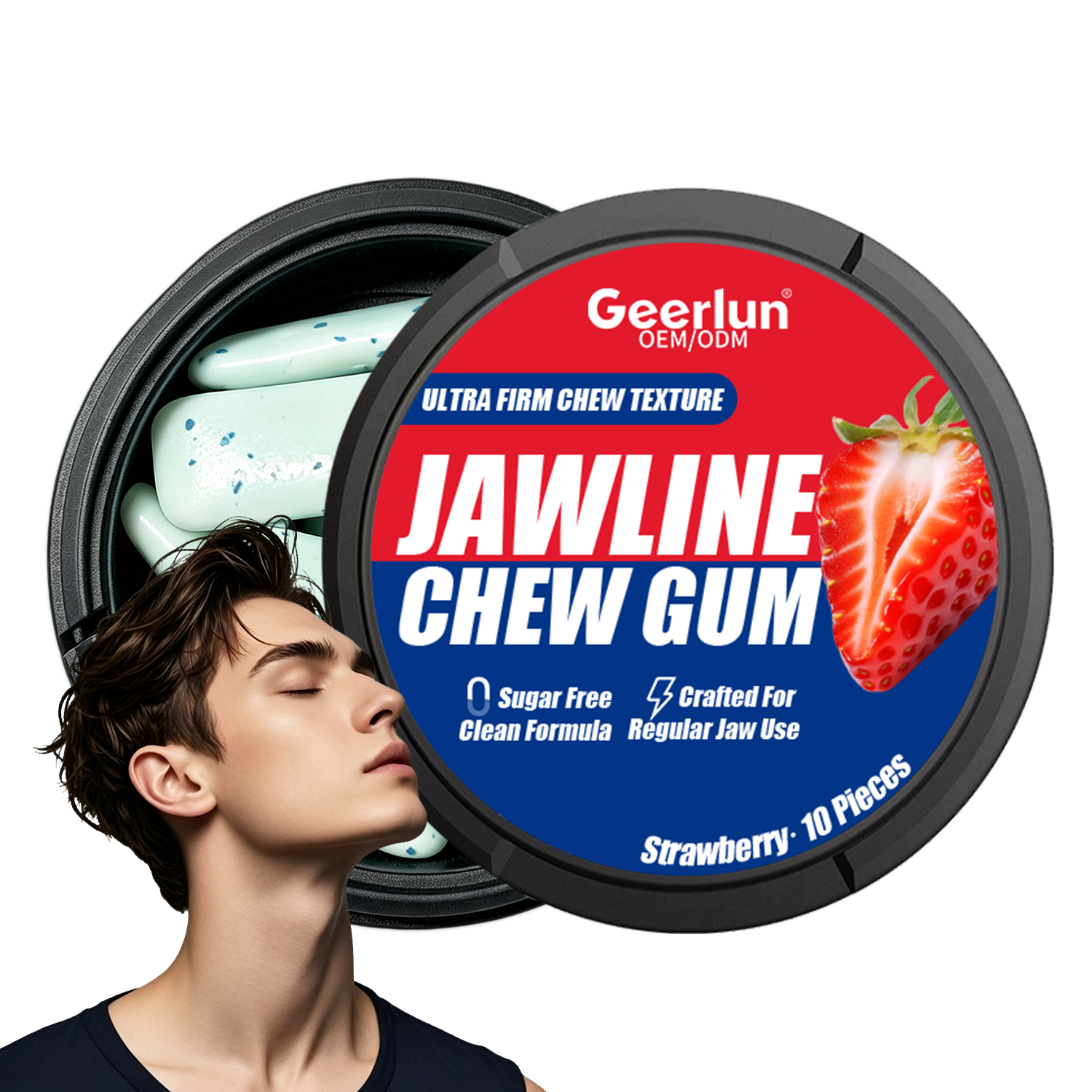

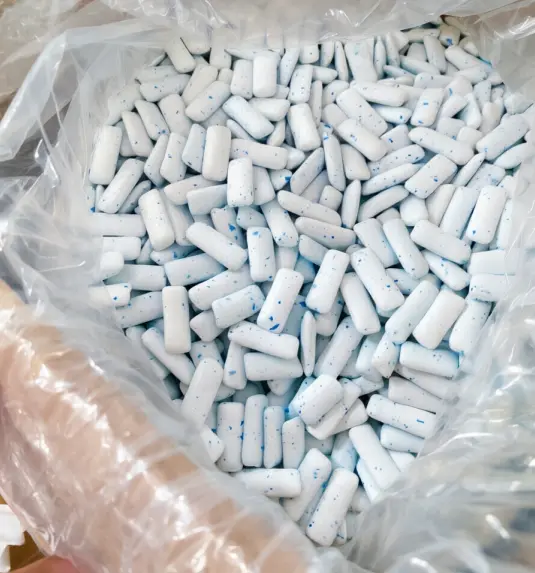
Gum Reshapes Impulse-Buy Shelf
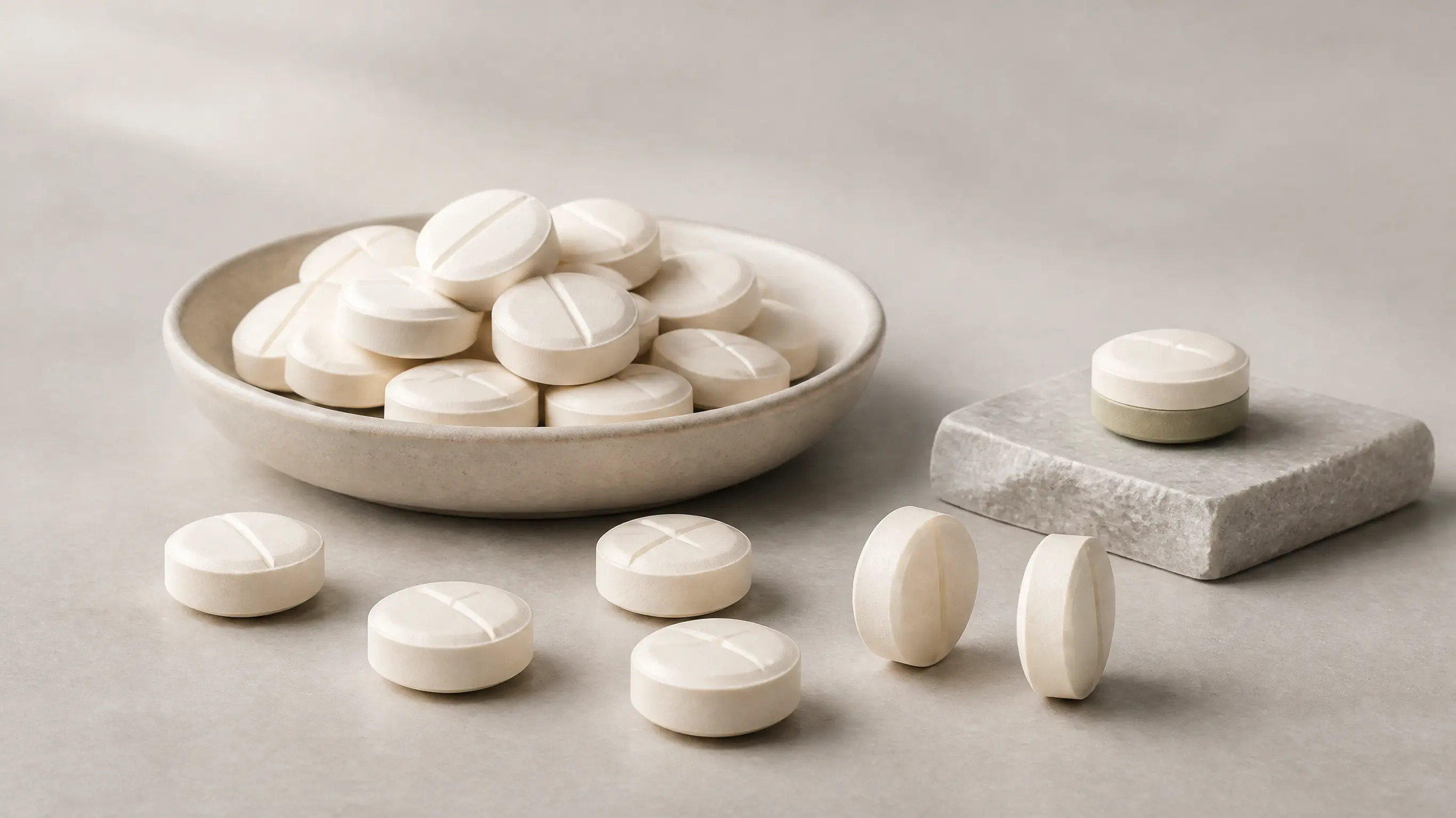
Why Do Tablet Dosage Forms Still Lead Supplement Demand?
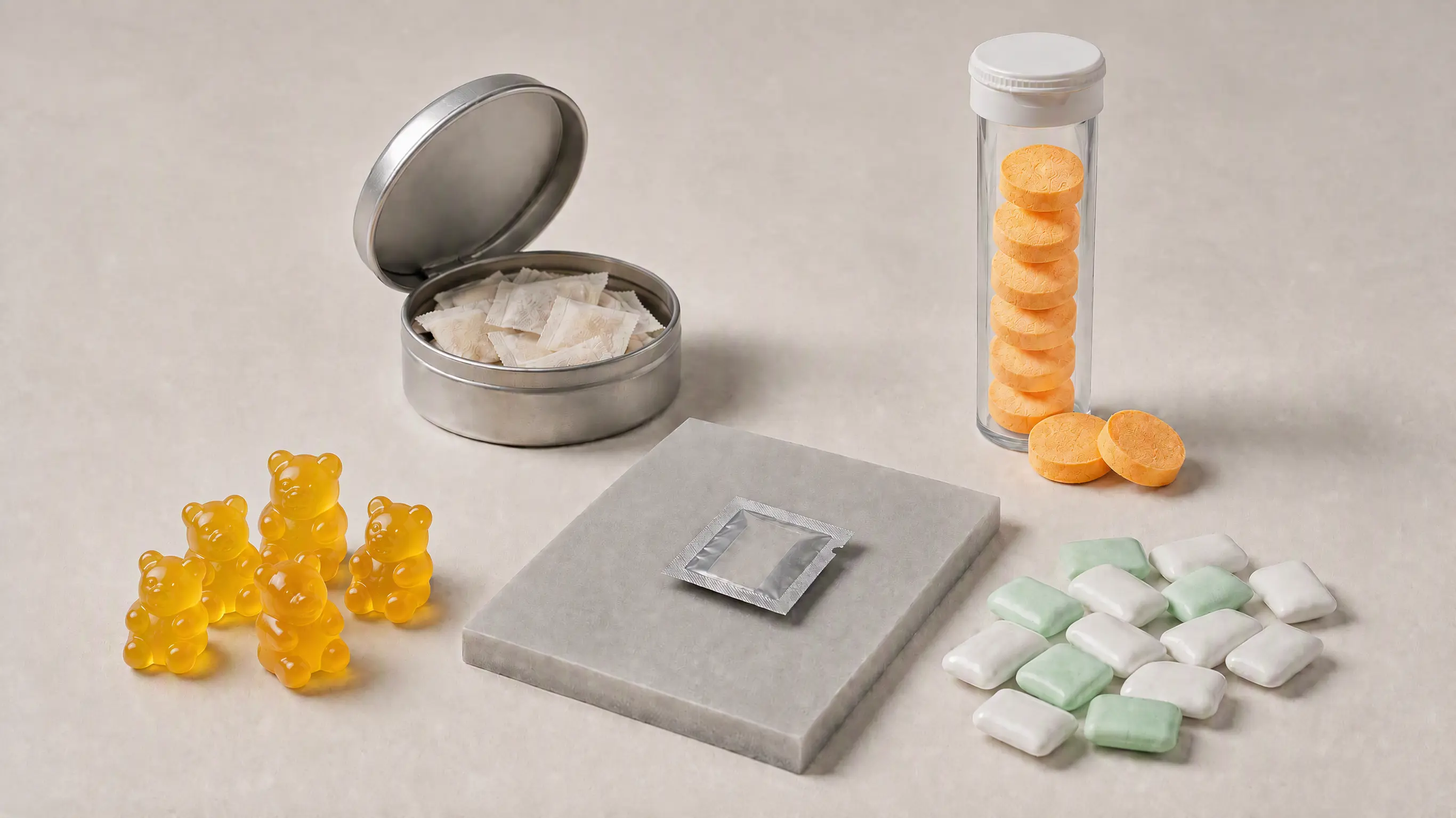
Why Do Chewable Supplement Formats Redefine Global Supply?
Global forecast data shows gummies, energy gum and effervescent tablets driving supplement demand. See what multi-format manufacturing means for private label buyers in 2026.
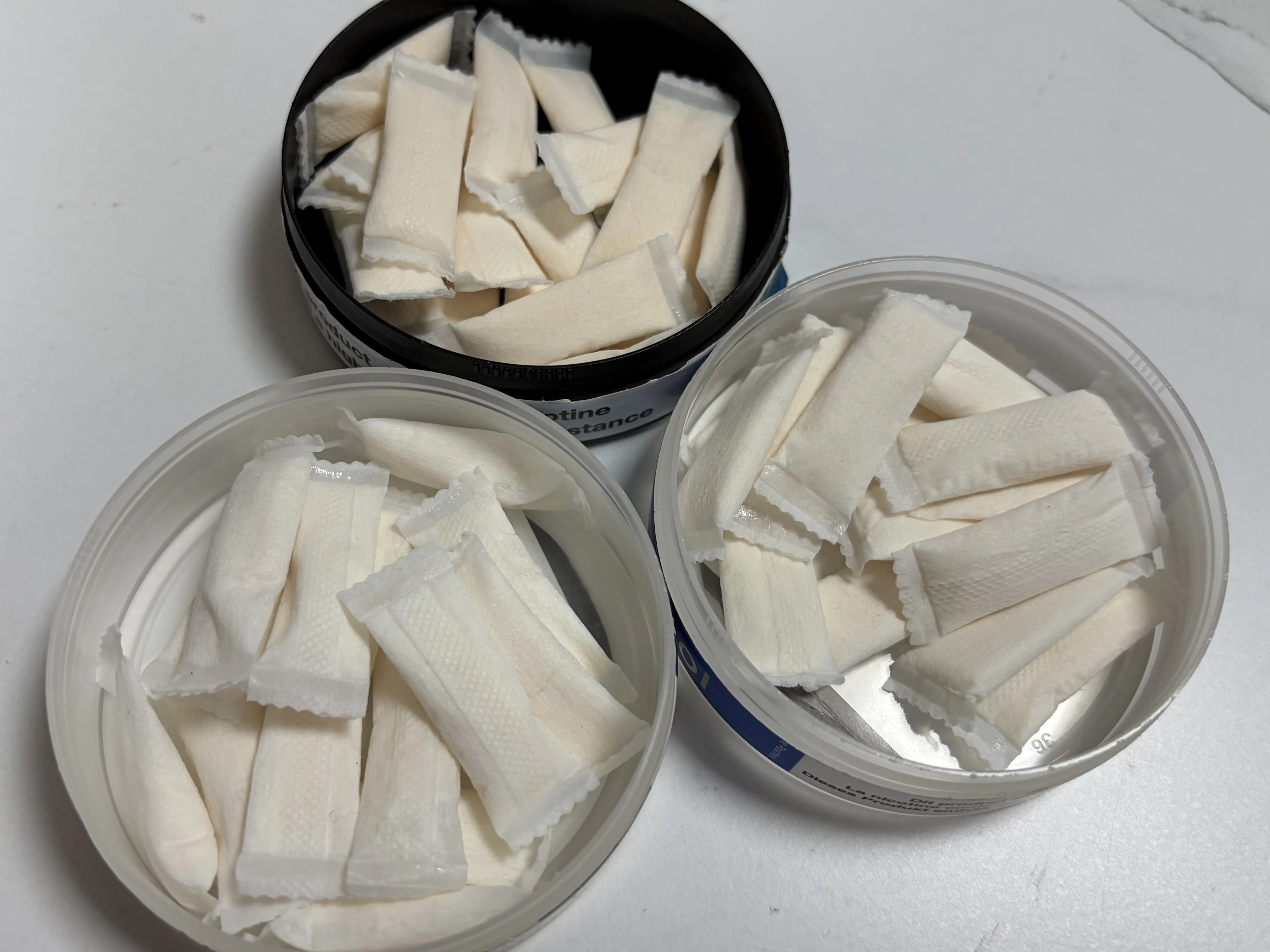
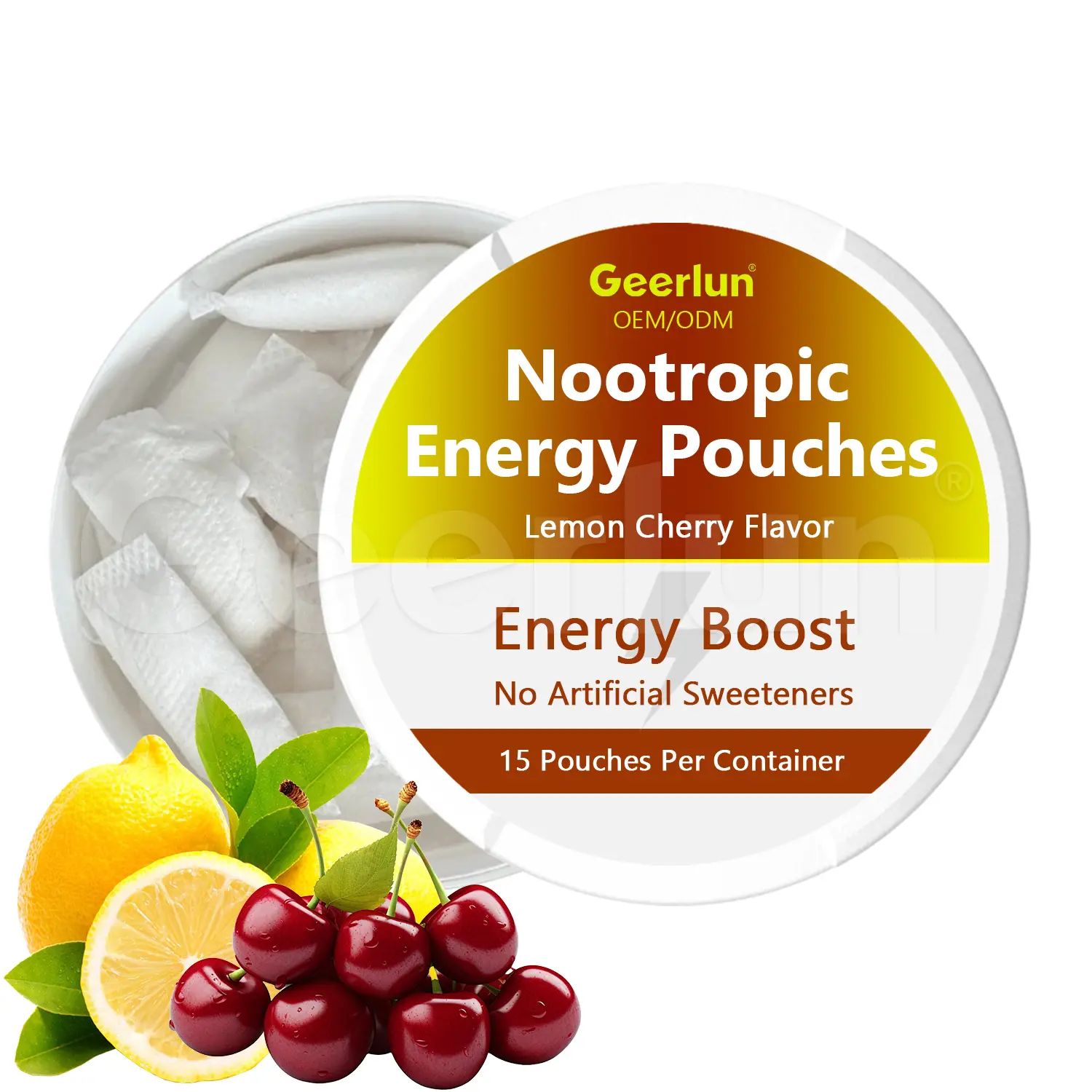
Do caffeine pouches actually work?
Caffeine pouches left the gym bag and landed on mainstream shelves in under two years, and the format now anchors the nicotine-free energy story.
Need A Private Label Supplement Manufacturer?
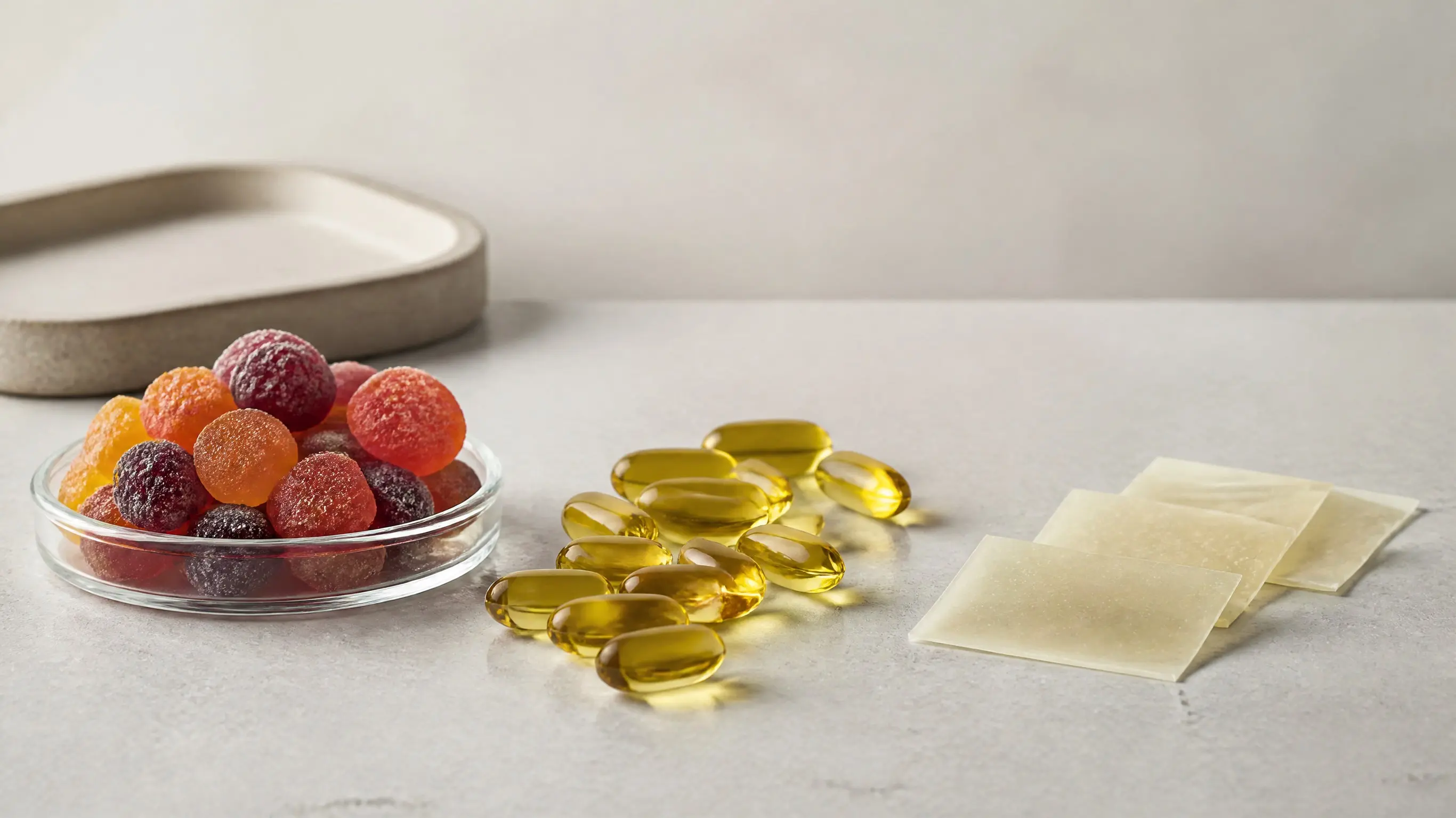
Gummies, Capsules, Oral Films Drive Global Demand.
Private label supplement demand now favors formats buyers actually finish: gummies, capsules and oral films. Get 2026 market data, MOQ guidance and the five questions to ask your OEM factory.

How to Evaluate a Dietary Supplement Contract Manufacturer: A Practical Guide for B2B Buyers
The dietary supplement industry contributed an estimated $158.6 billion to the U.S. economy in 2023, according to the Council for Responsible Nutrition. With 74% of American adults reporting regular supplement use, the demand for well-manufactured products has never been higher. For brand owners and private label buyers, choosing the right contract manufacturing partner is the single most consequential decision in the product development process.
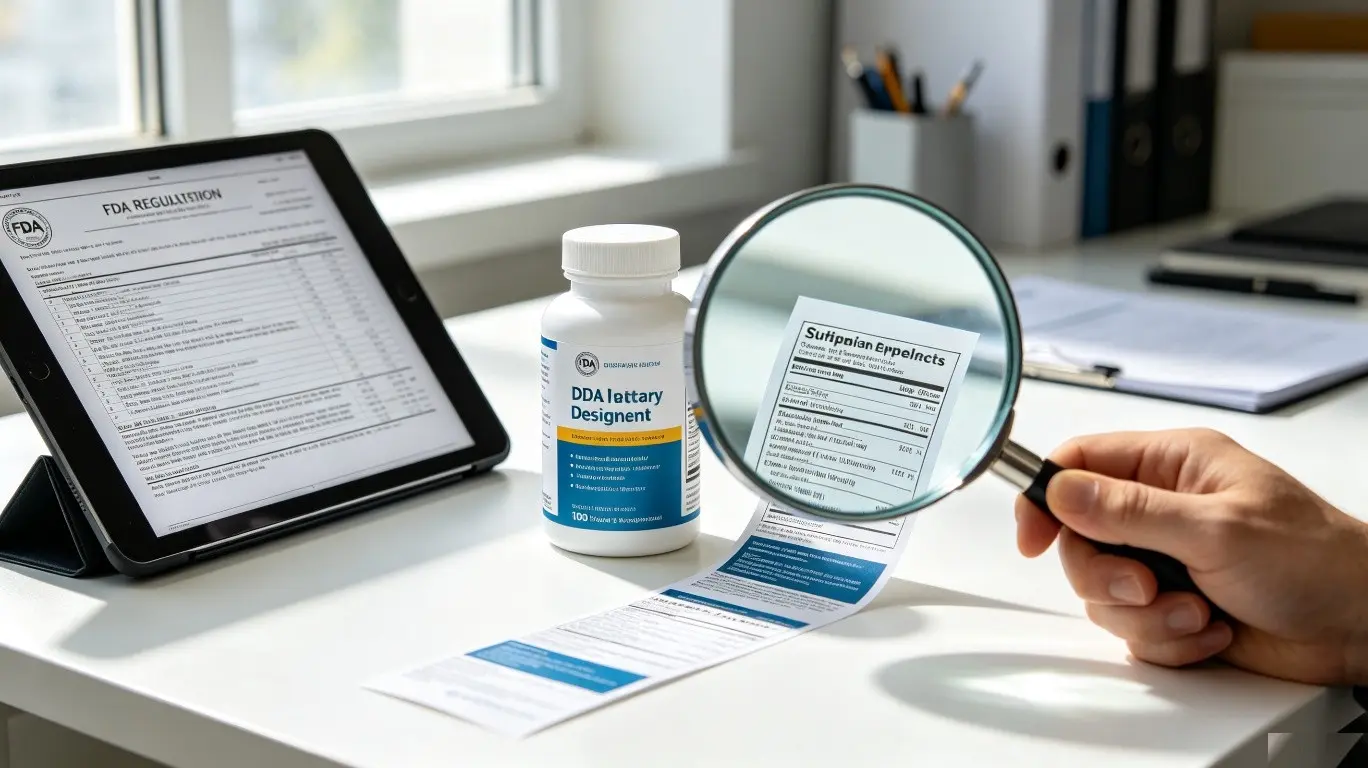
Supplement Label Claims and Regulatory Compliance: What B2B Buyers Must Know Before Bringing a Product to Market
Every year, the U.S. Food and Drug Administration sends warning letters to dietary supplement companies for making claims on labels that cross the line from allowed structure-function language into prohibited drug claims. The dividing line between what a supplement can say and what it cannot is not always intuitive, especially for brand owners and private label buyers who are new to the U.S. market.
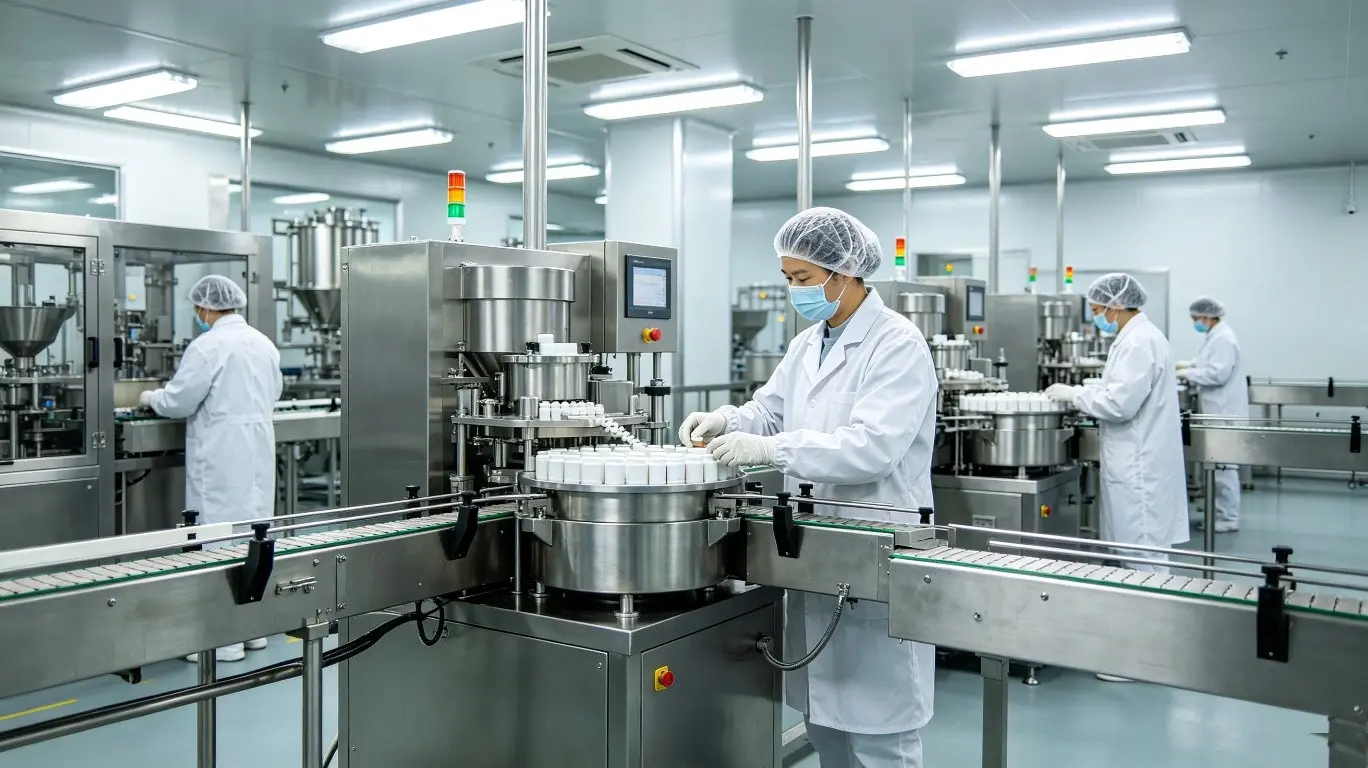
Quality, Compliance, and Market Growth: What B2B Buyers Need to Know About Supplement Manufacturing in 2026
The dietary supplement industry in the United States has grown into a significant economic force. According to the Council for Responsible Nutrition (CRN), the sector contributed an estimated $158.6 billion to the U.S. economy in 2023, up 23% from the $121.6 billion recorded in 2016. Tax revenue from supplement companies exceeded $20 billion that same year, while direct wages paid to industry employees surpassed $19 billion. These numbers reflect an industry that has matured rapidly over the past decade.

How Much Does It Cost to Launch a Supplement Brand in 2026?
If you’re planning to start your own supplement brand, one of the first and most important questions you’ll ask is: how much does it cost to launch a supplement brand? For new entrepreneurs and small Amazon sellers, unclear pricing and hidden costs are one of the biggest reasons for startup failure: 45% of new supplement brands shut down within their first year due to budget overruns and unexpected expenses, according to the 2026 Supplement Industry Association (SIA) Startup Report.
The truth is, the cost of launching a supplement brand can vary widely depending on your formula, order size, packaging, and compliance needs. You don’t need hundreds of thousands of dollars to get started—many successful brands launch with budgets under $10,000 by choosing the right manufacturer and launch strategy. Let’s break down every cost component you need to plan for, plus realistic budget ranges for different launch scenarios.

Are Gummies Replacing Capsules at Canton Fair?
At the 139th Canton Fair, supplements moved beyond capsules to gummies, oral dissolving films, and chewing gum. With the global market projected to reach $266.4 billion by 2026, bioavailability and sustainability innovations are redefining herbal supplements.