Leave Your Message

Why Are Supplements for Hair Growth in High Demand?

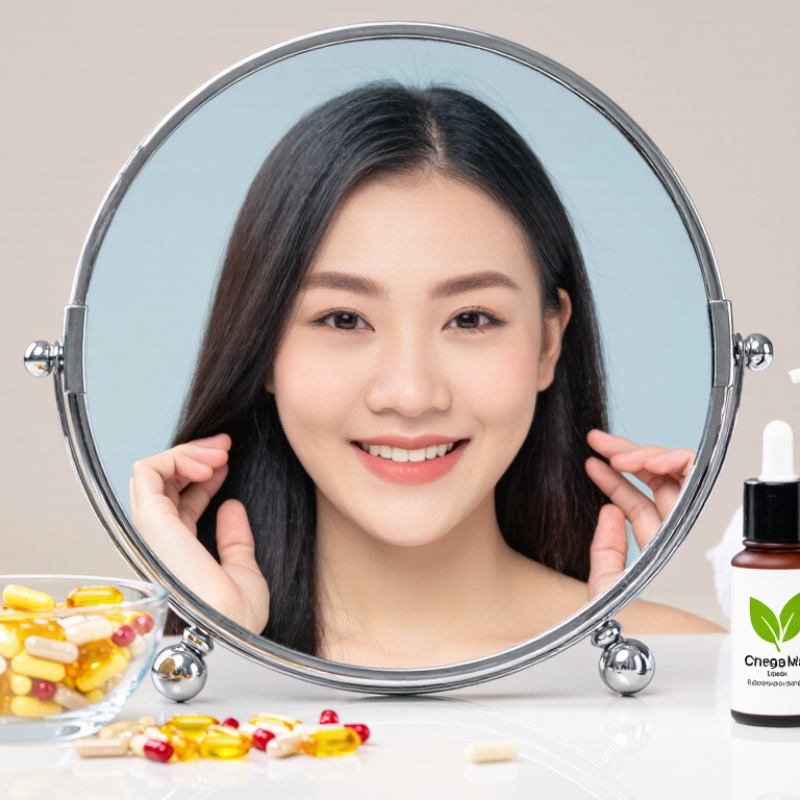
Hair shedding is personal and visible: a widening part, extra strands on a pillow, or hair caught in the shower drain can prompt people to seek solutions. That helps explain the rising interest in Supplement For Hair Growth products, from gummies to capsules. Grand View Research estimated the global hair growth supplement market at about US$1.2 billion in 2023 and projected an 8.2% compound annual growth rate from 2024 to 2030. The figures show commercial demand. They do not prove that a product works.

Consumers are drawn to promises of stronger, fuller-looking hair and convenient daily routines. Yet hair loss has many possible causes, including nutritional deficiencies, illness, stress, and inherited patterns. The right response depends on the cause. Cleveland Clinic dermatologist Dr. Shilpi Khetarpal has cautioned, “There is no good data showing that biotin supplements will benefit hair, skin and nails.” That matters. High-dose biotin can also interfere with some laboratory test results, according to the U.S. National Institutes of Health Office of Dietary Supplements.

For readers, the practical question is not simply which bottle is popular. It is whether an ingredient suits their needs, whether evidence supports its use, and whether a clinician should investigate persistent shedding. Labels can look reassuring. Evidence can be less tidy. A closer look at consumer demand, research, and safety helps explain why these supplements are popular—and where expectations deserve a second thought.
Why Are Supplements for Hair Growth in High Demand?

Factors Driving Demand for Hair Growth Supplements

Hair changes are easy to notice: more strands on a pillow, a widening part, or a thinner ponytail. A daily supplement can feel like a manageable response. Small action. Clear routine. Demand also reflects wider interest in nutrition and personal care, along with social media posts that make fuller hair seem quickly achievable. Stress, postpartum changes, aging, and restrictive diets can all prompt people to look for support, though their causes and needs differ.

Convenience matters. Capsules are simple to add to a morning routine, and product labels often connect familiar nutrients with healthy hair. Yet popularity is not proof that a supplement will restore growth. Hair thinning can have many causes, including medical conditions and nutrient deficiencies, and supplements are most useful when they address a real need.

More is not always better; excessive amounts of some nutrients can cause harm.

That part is easy to overlook. A healthcare professional can review symptoms, diet, and medications before someone starts a supplement. Checking ingredient amounts and quality testing can also help people make a more informed choice, rather than relying on dramatic online promises.

How Hair Growth Supplements Are Intended to Work

Hair-growth supplements are generally intended to fill nutrient gaps that may interfere with normal follicle function. Hair follicles are active tissues, and making a hair shaft requires protein and a steady supply of nutrients. Iron, zinc, vitamin D, and some B vitamins matter when a person is deficient; taking more does not automatically make hair grow faster. Biotin is often discussed, but deficiency is uncommon, and evidence for extra biotin in otherwise healthy people is limited.

The biology is not tidy.

Inside the body, nutrients support processes such as cell division and keratin production, while follicles move through repeating growth and resting phases. A supplement cannot reset that cycle on demand. If a deficiency is involved, correcting it may help, though visible change can take months. Results depend on why shedding began.

Not overnight.

Blood tests and a clinician’s review can help distinguish a deficiency from hormonal, medical, or stress-related hair loss. High doses may cause side effects or interfere with laboratory tests and medicines. Labels can make promises sound simple; real results are less predictable, and it is worth questioning whether more pills will actually mean thicker hair.

Common Nutrients and Ingredients in Hair Supplements

Hair supplements often contain biotin, zinc, iron, vitamin D, and amino acids. These nutrients support normal body functions, but they do not guarantee faster or thicker hair growth. A deficiency may contribute to shedding, while extra nutrients may offer little benefit when levels are already adequate. Hair changes can also stem from stress, illness, hormonal shifts, or genetics.

Some formulas include collagen, plant extracts, or marine oils. Evidence for these ingredients varies, and results are not the same for everyone. Iron supplements can be harmful when taken unnecessarily, while high-dose biotin may interfere with certain laboratory tests. It is easy to focus on a capsule and overlook sleep, diet, or an underlying health issue. That deserves a second thought. A clinician can help assess persistent shedding and whether testing is appropriate.

Tips: Check the ingredient amounts, not just the front label. Avoid stacking products with overlapping nutrients. If you take medication or plan blood tests, ask a healthcare professional about possible interactions. Track changes with dated photos; day-to-day mirror checks can be misleading.

Why Are Supplements for Hair Growth in High Demand?

Iron is one nutrient commonly found in hair supplements. Its recommended daily intake differs by age, sex, and pregnancy status.

These figures are recommended total daily intakes, not hair-growth supplement doses. Supplements are not a proven hair-loss treatment for everyone; iron should generally be supplemented only when advised by a healthcare professional.

Source: U.S. National Institutes of Health, Office of Dietary Supplements, Iron Fact Sheet for Health Professionals.

Scientific Evidence Behind Supplement Claims

Market interest is measurable; biological benefit is harder to prove. Grand View Research estimated the global hair-growth supplements market at about US$1.4 billion in 2023. That figure tracks sales, not new hair growth. Important distinction.

Clinical evidence is mixed. A 2017 review in Skin Appendage Disorders identified 18 published cases of hair or nail improvement after biotin use. Every patient had an underlying condition or deficiency, so those reports do not show that biotin helps healthy people. The NIH Office of Dietary Supplements sets the adult adequate intake at 30 micrograms daily and notes that evidence for extra biotin improving hair is limited. More is not automatically better. High-dose biotin can also distort certain laboratory test results, according to the U.S. Food and Drug Administration. Hair thinning may relate to iron deficiency, thyroid conditions, illness, or other causes; supplements cannot identify the cause. A clinician can assess symptoms and, when appropriate, arrange testing before someone spends months taking pills. I would treat confident growth promises cautiously. The evidence has gaps, and a glossy label cannot fill them.

Why Are Supplements for Hair Growth in High Demand? - Scientific Evidence Behind Supplement Claims

Factor or nutrient Why it attracts interest What the evidence supports Practical interpretation
Visible hair shedding and thinning Hair changes are noticeable and can affect appearance and confidence, so people may look for an easy, self-directed solution. Hair loss has many possible causes, including hereditary pattern hair loss, illness, stress, medications, and nutritional deficiencies. A supplement cannot address every cause. Persistent, sudden, patchy, or unexplained hair loss warrants assessment by a healthcare professional.
Biotin (vitamin B7) It is widely associated with hair, skin, and nails in consumer messaging. Biotin deficiency is rare, and evidence that biotin supplements improve hair growth in people without a deficiency is limited. High-dose biotin can interfere with some laboratory tests, including certain thyroid and heart-related tests. Do not assume that more biotin means more growth. Tell a healthcare professional and laboratory staff about biotin use before testing.
Iron Iron deficiency can occur in some groups and may be considered when evaluating hair shedding. Iron is essential for health, and iron deficiency should be diagnosed and treated. Evidence does not establish that iron supplements promote hair growth in people whose iron status is adequate. Testing and clinician guidance are preferable to taking iron without a confirmed need; excess iron can be harmful.
Vitamin D Research has examined vitamin D status in people with some hair-loss conditions. Some studies report associations between low vitamin D levels and certain forms of hair loss. An association does not prove that supplementation regrows hair, and evidence for hair benefits in people with adequate levels is insufficient. Correct a documented deficiency for overall health under appropriate guidance; do not treat an association as proof of a hair-growth effect.
Zinc Zinc is involved in normal bodily processes, and deficiency can affect health. Hair changes may occur with zinc deficiency, but evidence does not show that routine zinc supplementation improves hair growth in people who are not deficient. Excess zinc can cause adverse effects and interfere with copper absorption. Supplementation should be based on dietary needs or professional advice, not on hair claims alone.
“Hair blend” products and multi-ingredient formulas Combining familiar nutrients can make a product appear comprehensive and convenient. Evidence for a specific ingredient cannot automatically be applied to a blend. Results from small or uncontrolled studies may not establish that a product causes hair growth. Check ingredient amounts, potential interactions, and the quality of the clinical evidence; be cautious of guaranteed or rapid-growth claims.
Overall evidence takeaway The promise of a simple, non-prescription approach is appealing when hair loss is distressing. The clearest nutritional rationale is addressing a genuine deficiency or inadequate intake. For people with adequate nutrition, evidence that supplements broadly stimulate hair growth is limited. Identify the cause of hair loss and discuss testing or treatment with a qualified professional before starting supplements.

Evidence context: National Institutes of Health Office of Dietary Supplements fact sheets on biotin, iron, vitamin D, and zinc; U.S. Food and Drug Administration safety communications on biotin and laboratory-test interference; American Academy of Dermatology guidance on hair loss and nutritional supplements.

Safety, Regulation, and Consumer Considerations

High demand can make hair supplements feel like an easy answer. The Council for Responsible Nutrition’s 2023 Consumer Survey found that 74% of U.S. adults use dietary supplements. That figure covers supplements broadly, not hair products specifically. Still, it shows how familiar supplement use has become. Familiar does not mean risk-free.

In the United States, the FDA does not approve dietary supplements for safety or effectiveness before they reach the market. Manufacturers are responsible for product safety and accurate labeling. Check the Supplement Facts panel, serving size, and warnings, rather than relying only on a “hair growth” claim. Independent quality testing may help confirm a product’s contents. Not proof of benefit. This distinction is easy to miss when a polished label promises visible results.

Biotin is a common ingredient, but the NIH Office of Dietary Supplements notes that high doses can interfere with certain laboratory tests. Tell a clinician about supplements before blood work, especially if you take several products. Hair shedding can also have causes that a capsule cannot address. A bottle beside the bathroom sink may feel reassuring; it cannot identify the cause. I would question any product that promises fast, guaranteed growth. Evidence for many ingredients remains limited, and that uncertainty deserves a clear place in consumer decisions.