How to Choose the Right Melanin Supplement for Your Skin Needs?
Choosing the right melanin supplement for your skin needs is a crucial decision. With many options available, understanding what each offers is essential. Melanin is responsible for skin color and provides protection against UV rays. Supplements can support your skin's natural melanin production, but not all products deliver the same results.
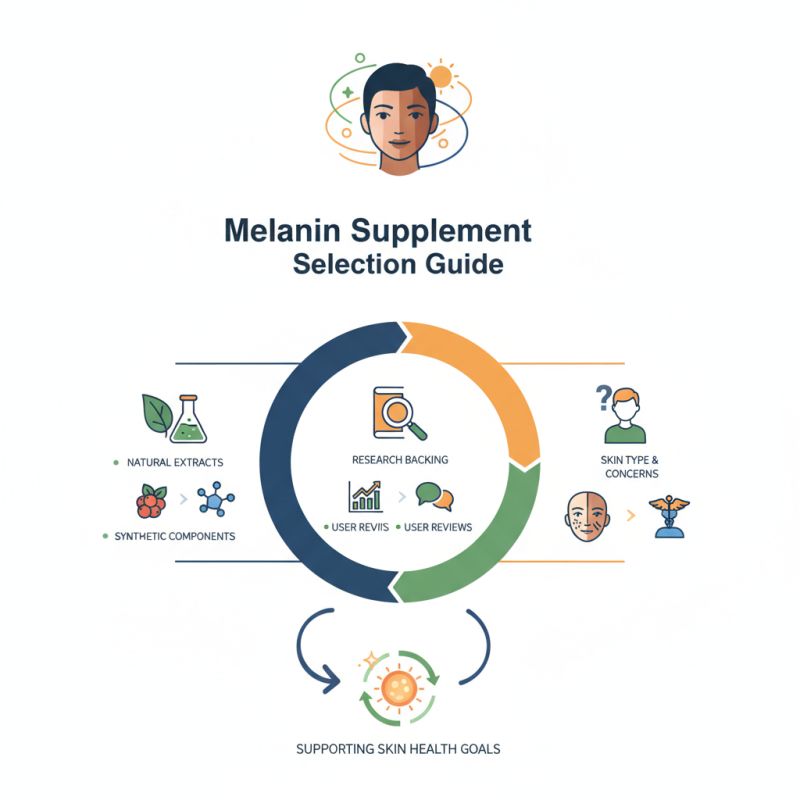
When exploring melanin supplements, consider their ingredients and effectiveness. Some may contain natural extracts, while others use synthetic components. It's essential to check for scientific backing. Look for brands with reputable research on their products. User reviews can also provide insights into effectiveness and potential side effects.
Remember, individual needs vary greatly. What works for one person may not work for another. Pay attention to your skin type and specific concerns. Always consult with a healthcare professional before starting any new supplement. This ensures the chosen melanin supplement aligns with your health goals and dermatological needs.
Understanding Melanin and Its Role in Skin Health
Melanin is a vital pigment that impacts skin color and health. It helps protect the skin from UV damage. This natural barrier reduces the risk of sunburn and skin cancer. However, not all skin types produce enough melanin. Individuals with lighter skin often have lower melanin levels, making them more susceptible to skin issues. Understanding how melanin functions can guide your choices in supplements.
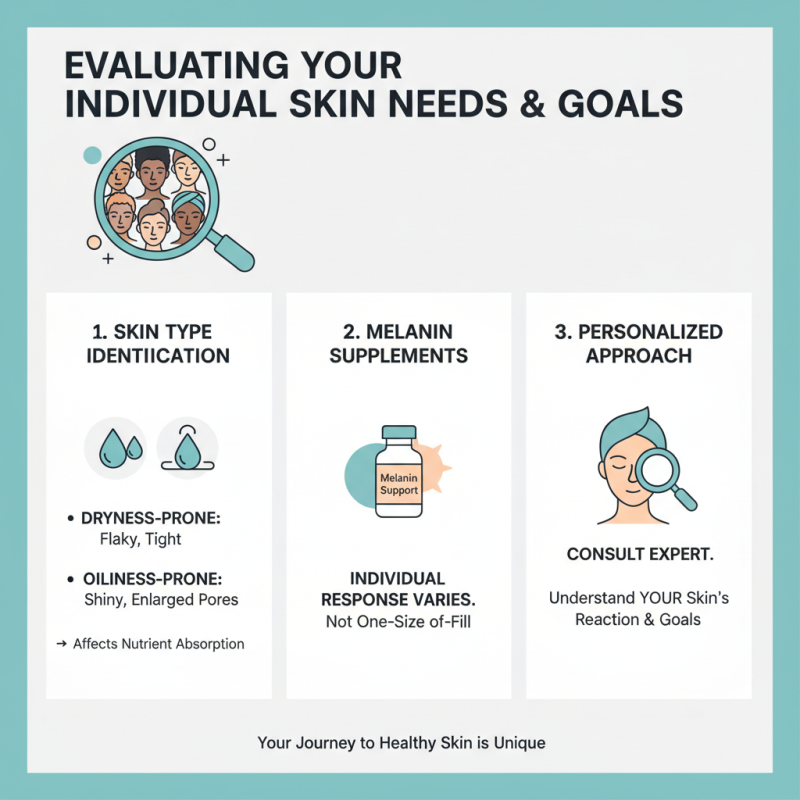
Melanin supplements aim to enhance skin protection and promote an even tone. However, the effectiveness and safety of such products can vary. Some may experience side effects, like skin irritation or allergic reactions. Therefore, consulting a healthcare professional is crucial before starting any supplement. Assessing personal skin needs is essential.
It’s important to consider your specific skin concerns. Supplements may not work for everyone. Some individuals might require additional treatments alongside supplementation. Understanding one's skin type and sensitivity will lead to more informed decisions. Always do thorough research and seek credible sources. Each individual's journey with skin health is unique, and what works for one may not suit another.
Types of Melanin Supplements Available on the Market
When exploring types of melanin supplements, it's important to note the variety available. Some supplements focus on oral intake, like capsules or powders. These often contain ingredients such as L-tyrosine, which may support melanin production. Another option is topical applications, including creams or serums. These products aim to enhance skin tone and provide a more immediate visual effect.
Different individuals have diverse needs. Some may require supplements to address specific skin conditions, while others might seek to enhance overall skin health. It's also important to consider potential side effects when selecting a supplement. Not all products are created equal, and quality can vary widely. Seeking information from reliable sources, such as dermatologists or clinical studies, can provide valuable insights.
Choosing the right melanin supplement can be overwhelming. Reflecting on personal skin goals can help narrow down options. Experimentation may be necessary to find the most effective product. Remember to monitor changes and consult a professional if unexpected reactions occur. Your skin deserves careful consideration and personalized attention in this journey.
How to Choose the Right Melanin Supplement for Your Skin Needs?
| Type of Supplement |
Primary Ingredients |
Potential Benefits |
Recommended Dosage |
Form |
| L-Tyrosine |
Amino acid |
May support pigment production |
500-1500 mg daily |
Capsule, Powder |
| Copper Peptides |
Copper, Amino acids |
Support skin health and pigmentation |
2-5 mg daily |
Serum, Cream |
| Vitamin D3 |
Cholecalciferol |
May promote skin health and regeneration |
600-2000 IU daily |
Gel capsule |
| Probiotics |
Lactobacillus, Bifidobacterium |
Improve gut health, which may affect skin |
10-30 billion CFUs daily |
Capsule, Powder |
| Vitamin E |
Tocopherol |
Antioxidant support for skin health |
15 mg daily |
Softgel, Oil |
Key Ingredients to Look for in Melanin Supplements
When choosing a melanin supplement, it's vital to understand the key ingredients that can support your skin needs. Key components frequently mentioned in dermal studies include tyrosine, copper, and vitamin D. Tyrosine is an amino acid that plays a crucial role in melanin production. Research has shown that a daily intake can enhance pigmentation for those seeking deeper skin tones.
Copper is another vital element often found in supplements. It aids in melanin synthesis and acts as a co-factor for enzymes involved in this process. Some reports suggest that adequate copper levels are linked to healthier skin. Incorporating this mineral can be beneficial for maintaining skin vitality.
Vitamin D is essential too, as it helps regulate skin cell growth and repair. Studies indicate a clear correlation between sufficient vitamin D levels and overall skin health. Neglecting to address these critical ingredients may lead to subpar results. It's essential to be aware that not all supplements are created equal. Always consider your unique skin condition before making a choice.
Safety Considerations and Potential Side Effects of Melanin Supplements
Melanin supplements can be appealing for those seeking to enhance their skin tone or protect against UV damage. However, it’s essential to consider safety. Many melanin supplements are not regulated by health authorities. This lack of oversight raises concerns about their overall safety and effectiveness. Always consult a healthcare professional before starting any supplement regimen.
Potential side effects of melanin supplements may include allergic reactions, stomach upset, and skin irritations. Some users report excessive pigmentation changes, leading to uneven skin tones. It's crucial to remain cautious and monitor your body’s response when trying these products. While melanin can offer benefits, it’s vital to prioritize safety and awareness of your unique skin needs. It is often overlooked that individual responses vary significantly. Some find benefits, while others face unwanted consequences.
Research on melanin supplements is limited. The long-term effects remain largely unknown. A well-informed choice involves understanding these limitations and being aware of potential risks. It's advisable to choose supplements based on professional advice and personal skin conditions, ensuring that your journey toward healthier skin is both safe and effective.
 +852 54195003