Interest in hair wellness products is growing, but pills are not a universal answer to hair loss. Grand View Research’s Hair Loss Treatment Products Market report estimated the global market at approximately US$2.8 billion in 2023 and projected continued growth through 2030. This figure reflects a broad product category, not proven results from any single supplement. That distinction matters.
This guide to China Top Pills For Hair Growth Manufacturers focuses on what buyers can verify: ingredient transparency, manufacturing controls, batch testing, and clear product documentation. A polished label is not enough. Ask whether the manufacturer can provide current quality certificates and test reports tied to the specific product batch. Also check that ingredient amounts match the label and that claims are appropriately supported.
Evidence deserves careful attention. The U.S. National Institutes of Health Office of Dietary Supplements notes that supplements can help address nutrient deficiencies, but evidence does not establish that every hair-growth ingredient benefits people without a deficiency. Results may vary. This is easy to overlook. Hair thinning can have different causes, so a supplement should not replace appropriate medical advice. The manufacturers featured here should be assessed on verifiable production practices, not bold promises. Product rules also differ by destination market, so buyers should confirm applicable requirements before sourcing. A careful comparison is more useful than a quick ranking.
Hair-growth pills are often discussed as a simple answer to thinning hair, but hair loss has many possible causes. Genetics, hormonal changes, illness, stress, and low nutrient levels can all play a role. In China, these products may include vitamins, minerals, or plant-derived ingredients, with formulas and evidence varying widely. That distinction matters. Supplements may help when a confirmed deficiency is involved, but they are not a universal treatment. Results also take time, and visible changes are not guaranteed.
For manufacturers in China, responsible product development means checking ingredient identity, purity, dosage, and batch consistency. Clear labels should state what a product contains and avoid promising rapid regrowth. Buyers can look for transparent testing information and consult a qualified clinician, especially when hair loss is sudden or accompanied by scalp irritation. Some ingredients may interact with medicines or be unsuitable for certain people. A pill cannot explain the cause by itself. Even careful advice has limits: research differs by ingredient, and individual responses can be difficult to predict.
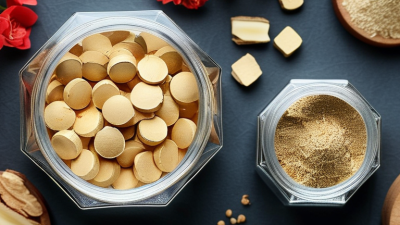
Hair-growth supplements often combine biotin, zinc, iron, vitamin D, collagen, or plant extracts. These ingredients are not interchangeable “hair builders.” Biotin matters most when a deficiency exists, yet deficiency is rare. The NIH Office of Dietary Supplements lists 30 micrograms as the adult adequate intake, not a proven hair-growth dose. Its fact sheet notes limited evidence that biotin improves hair in healthy people. Small details matter. A capsule cannot replace assessment of sudden shedding or a confirmed nutrient shortfall.
Iron and zinc support normal body functions, but excess intake can cause harm; test results and clinical context matter. Vitamin D is another candidate, though links with hair loss do not prove supplements restore growth. A 2017 randomized trial in Evidence-Based Complementary and Alternative Medicine followed 76 men taking pumpkin-seed oil or placebo for 24 weeks. Mean hair counts rose 40% in the oil group and 10% in the placebo group. That small trial is interesting, not definitive, and cannot predict results for everyone. Collagen also appears on labels, but hair-specific evidence remains limited. The evidence is uneven, and packaging can make it look more certain than it is.
Developing hair-growth pills in China starts with ingredient research, not a guaranteed growth claim. Teams review nutrient needs, published evidence, and the intended user before setting a formula. They then check ingredient identity, dosage, and compatibility. A small pilot batch can reveal problems such as poor powder flow or capsules that fill unevenly. These details matter on a production line.
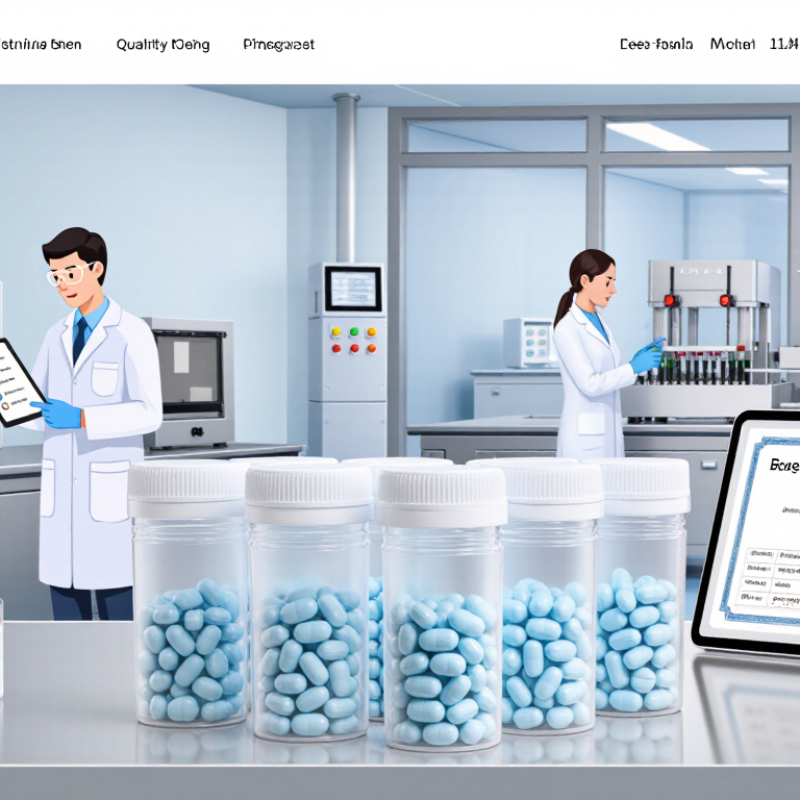
Quality controls should follow the FDA’s dietary-supplement current good manufacturing practice requirements in 21 CFR Part 111. Manufacturers commonly test incoming materials, finished-batch strength, microbial limits, and stability. Records should connect each batch to its suppliers and test results. Not every formula has equally strong evidence. That is an uncomfortable, but important, point.
The NIH Office of Dietary Supplements’ Biotin Fact Sheet says biotin deficiency is rare and evidence for biotin supplements improving hair in healthy people is limited. It also warns that high biotin intake can distort certain laboratory test results. Product developers should therefore review dose, warnings, and label wording with qualified specialists. Stability testing can check whether a pill retains its intended quality over time. It cannot prove hair growth. Manufacturers should be clear about that distinction.
China’s top hair-growth pill manufacturers must treat compliance as a batch-level practice, not a certificate on the wall. In China, health foods may require registration or filing, depending on their ingredients and claims. Manufacturers should confirm the product’s classification before setting its label or sales plan. GMP records should connect each batch to its raw materials, production conditions, and test results. Check identity, potency, microbial limits, heavy metals, and stability. A certificate of analysis helps, but it does not replace verified testing methods or supplier records. Details matter.
Regulations also change across export markets. In the United States, the FDA does not approve dietary supplements before marketing; companies remain responsible for product safety, labeling, and compliant claims. The WHO’s 2017 report on substandard and falsified medical products estimated that about 1 in 10 medical products in low- and middle-income countries may be substandard or falsified. That estimate does not measure hair supplements specifically. Still, it underscores why traceability and independent quality checks matter. One weak point remains: paperwork can look complete while sampling is too limited to reveal variation between batches. Regular audits should test that gap.
When evaluating China-based hair growth pill manufacturers, inspect the production site, not just a polished sales office. Request a current GMP certificate and verify its issuer and facility address. Ask for batch-specific certificates of analysis covering identity, potency, microbes, heavy metals, and stability. Check whether test methods are suitable for the ingredients, and whether an independent laboratory can confirm results. Paperwork can look perfect. It may still miss a weak process.
Quality checks matter beyond appearance. A 2018 JAMA Network Open analysis identified 776 adulterated dietary supplements in FDA records from 2007 to 2016. Most involved sexual enhancement, weight loss, or muscle building products, so this is not a hair-pill prevalence estimate. It does show why buyers should review ingredient controls, supplier qualification, and change records. Request traceability from raw materials to finished batches, plus written procedures for complaints and recalls.
Assess claims with equal care. The US National Institutes of Health Office of Dietary Supplements notes that biotin deficiency is rare and evidence for hair benefits in people without deficiency is limited. A manufacturer should provide ingredient-level evidence, not promise rapid regrowth. Ask how it tests label accuracy and screens for contaminants. Review sample batches, audit reports, and stability data before placing a large order. One uncomfortable detail: a strong audit snapshot cannot guarantee every future batch will match. Verify again, and document what remains uncertain.