How to Use Folic Acid for Hair Growth and Thicker Hair Naturally
Folic Acid has gained recognition for its potential benefits in promoting hair health and growth. As a vital B-vitamin, also known as Vitamin B9, folic acid plays a crucial role in the body, particularly in cell division and DNA synthesis. When it comes to hair, a sufficient supply of folic acid can lead to improved circulation in the scalp, thereby addressing issues such as hair thinning and loss. The growing interest in natural methods for achieving thicker and healthier hair has led many to explore the connection between Folic Acid and hair growth.
Incorporating folic acid into your daily routine can be a simple yet effective approach to support the body's natural processes that foster hair growth. Whether through dietary sources rich in this vitamin or through supplementation, individuals are increasingly seeking ways to harness the power of folic acid for enhanced hair vitality. This article delves into various methods to utilize folic acid effectively, offering insights into its mechanisms and how it can contribute to achieving a fuller mane. By embracing the benefits of Folic Acid Hair Growth, you can embark on a journey towards achieving the luscious locks you desire.

Understanding Folic Acid: Importance for Hair Health
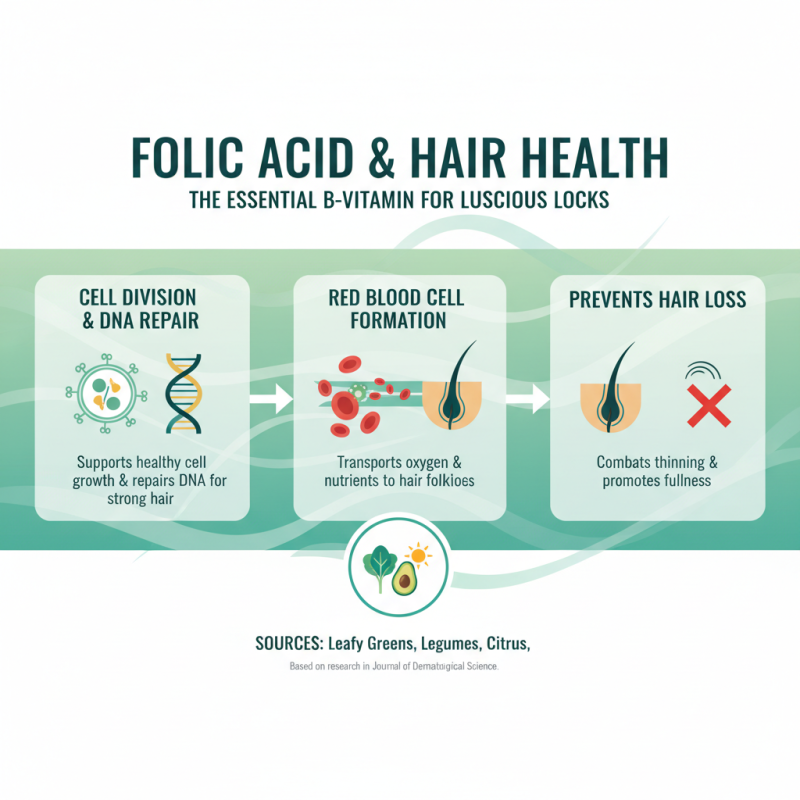
Folic acid, a B-vitamin also known as vitamin B9, plays a crucial role in maintaining hair health. It supports the formation of red blood cells, which are essential for transporting oxygen to hair follicles. According to a study published in the Journal of Dermatological Science, deficiencies in folic acid have been linked to hair loss and thinning, highlighting its importance for those seeking to improve their hair's overall condition. Moreover, folic acid contributes to healthy cell division and helps to repair DNA, ensuring that the hair growth cycle remains robust.
When considering how to incorporate folic acid into your routine, focus on natural dietary sources. Foods such as spinach, lentils, and avocado are rich in this vital nutrient. Additionally, spinach contains antioxidants that can protect hair follicles from oxidative stress, further enhancing hair vitality. For a boost, try creating a spinach smoothie or adding lentils to your meals to maintain sufficient levels of folic acid.
**Tips:** Incorporate foods high in folic acid into your daily diet, aiming for at least one serving of leafy greens each day. Staying hydrated and maintaining a balanced diet rich in vitamins and minerals can also significantly contribute to healthier, thicker hair over time.
How Folic Acid Stimulates Hair Growth
Folic acid, also known as vitamin B9, plays a crucial role in maintaining overall health, including hair growth. It works by enhancing blood circulation to the scalp, promoting the delivery of essential nutrients and oxygen to hair follicles. This stimulation of blood flow not only invigorates dormant follicles but also boosts the production of new cells, thereby encouraging thicker and healthier hair growth.
To incorporate folic acid into your routine for better hair, consider adding dark leafy greens, legumes, and fortified cereals to your diet. These foods are rich in folate, the natural form of folic acid. Additionally, taking a daily supplement can help, especially if your diet lacks adequate amounts of this vital nutrient.
Tips: To maximize the benefits of folic acid, combine it with other nutrients like biotin and zinc. Also, remember to stay hydrated and maintain a balanced diet, as overall nutrition directly affects hair health. Lastly, consider scalp massages to enhance blood circulation further, allowing folic acid to work its magic effectively.
How to Use Folic Acid for Hair Growth and Thicker Hair Naturally
| Method |
Description |
Recommended Dosage |
Benefits |
| Oral Supplements |
Taking folic acid pills to support overall health and hair growth. |
400-800 mcg daily |
Promotes red blood cell formation, enhancing hair health. |
| Folic Acid-Rich Foods |
Incorporating foods like spinach, lentils, and citrus fruits into your diet. |
Varies based on dietary intake |
Provides natural sources of folic acid and other essential nutrients. |
| Topical Treatments |
Applying hair masks containing folic acid for direct benefits. |
Use weekly |
Improves follicle health and hair texture. |
| Combination with Other Vitamins |
Using folic acid alongside biotin and vitamins B6 and B12. |
As recommended by a health professional |
Maximizes hair growth potential and overall hair health. |
Natural Sources of Folic Acid for Hair Nourishment
Folic acid, a vital B vitamin, plays a crucial role in maintaining the health of our hair. It is known for its ability to promote hair growth and improve overall hair thickness. To harness the benefits of folic acid for hair nourishment, it’s essential to incorporate natural dietary sources into your routine. Foods rich in folic acid can provide your body with the necessary nutrients to support healthy hair follicles and prevent hair loss.
Some of the best natural sources of folic acid include dark leafy greens such as spinach, kale, and collard greens. These vegetables are not only high in folate but also packed with antioxidants that help protect hair from damage. Other notable sources are legumes like lentils and chickpeas, which offer an excellent combination of folate and protein. Additionally, citrus fruits, nuts, and whole grains can enhance your folic acid intake while providing other essential vitamins and minerals that aid in hair health. By focusing on these nutritious foods, you can effectively promote stronger, thicker hair naturally.
Folic Acid Sources for Hair Growth
Recommended Dosage of Folic Acid for Thicker Hair
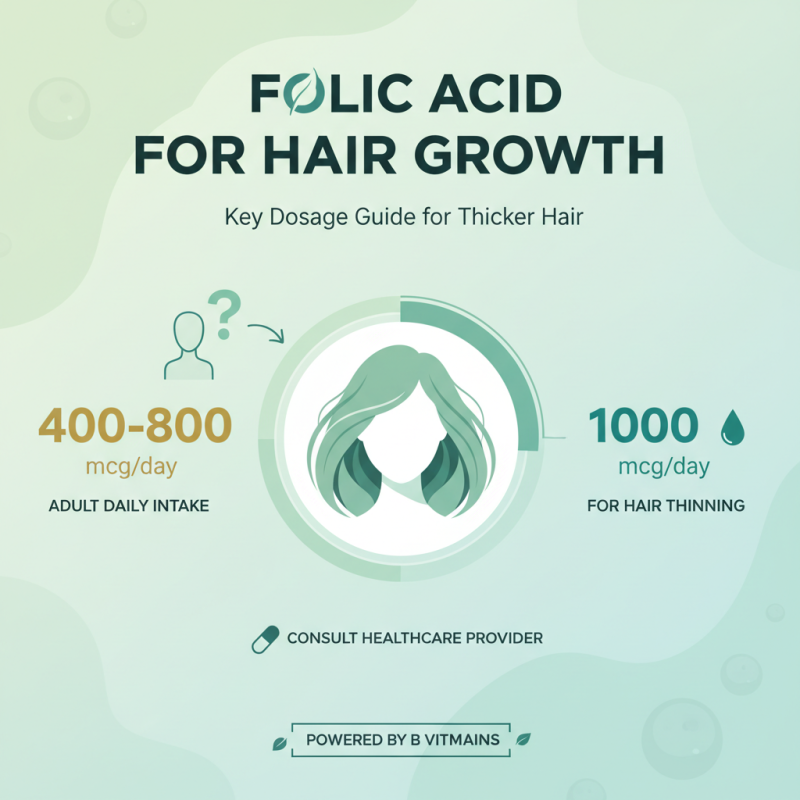
Folic acid, a B vitamin, plays a crucial role in maintaining healthy hair growth. For individuals looking to use folic acid as a natural remedy for thicker hair, understanding the recommended dosage is essential. Typically, the daily recommended intake of folic acid ranges from 400 to 800 micrograms for most adults. However, those experiencing hair thinning or loss may benefit from higher doses, often suggested at around 1000 micrograms per day. It’s important to consult with a healthcare provider to determine the right amount based on individual health needs and conditions.
When taking folic acid for hair growth, it can be incorporated into a daily routine through supplements or a diet rich in folate, which is naturally found in foods like leafy greens, legumes, and citrus fruits. Consistency is key, as it may take several weeks to notice improvements. Additionally, balancing folic acid intake with other vitamins and minerals, such as biotin and zinc, can enhance overall hair health. By carefully managing dosage and making dietary adjustments, individuals can support their hair growth journey naturally.
Possible Side Effects and Precautions with Folic Acid Use
While folic acid is often promoted for its benefits in hair growth and thickness, it is essential to be aware of the possible side effects and precautions associated with its use. Research indicates that folic acid plays a vital role in cell division and growth, which can potentially aid in hair regrowth. According to a report by the International Journal of Trichology, deficiencies in essential vitamins, including folic acid, are linked to hair loss, underscoring the need for careful supplementation. However, it is crucial to approach folic acid consumption with caution.
High doses of folic acid can lead to several side effects. Commonly reported issues include gastrointestinal disturbances, sleep disturbances, and interactions with certain medications, such as anticonvulsants. A study published in the American Journal of Clinical Nutrition highlighted that excessive intake could mask vitamin B12 deficiency, potentially leading to neurological issues if untreated. As such, healthcare professionals typically recommend monitoring dosages and ensuring that one's overall diet is balanced, providing a natural source of this essential vitamin without the risk of over-supplementation.
Individuals considering folic acid supplements for hair enhancement should consult with a healthcare provider, especially if they have pre-existing health conditions or are pregnant. They should ensure their intake aligns with recommended dietary allowances—typically around 400 micrograms for adults—to prevent adverse effects. Ultimately, while folic acid can contribute to healthier hair, it is vital to prioritize responsible use and professional guidance.
 +852 54195003