Maca Root Powder has moved from Andean kitchens to smoothie bars, wellness shelves, and online shopping carts. Its appeal is easy to picture: a spoonful stirred into oatmeal, a warm, slightly earthy aroma, and a promise of an ancient food with modern relevance. But popularity is not proof of a health benefit. What is maca, and what does research actually support?
Peruvian researcher Gustavo F. Gonzales and colleagues describe maca as “a plant that grows exclusively in the central Andes of Peru at elevations above 4000 m.” That background matters. Maca is a traditional food, not a newly discovered miracle ingredient. Its powder is made from the plant’s root, and products can differ in processing, color, and quality. Small details count. A label may tell you more about the product than a polished social media post.
The interest also comes from early studies exploring maca’s nutritional makeup and possible effects on wellbeing. Yet human research remains limited, and results should not be stretched into broad promises about energy, hormones, or sexual health. The evidence is uneven. Readers deserve that plain answer. This article looks at why Maca Root Powder attracts attention, how people commonly use it, and what buyers should check before adding it to a routine. It also separates tradition from claims that still need stronger research. That distinction can get lost in the hype.
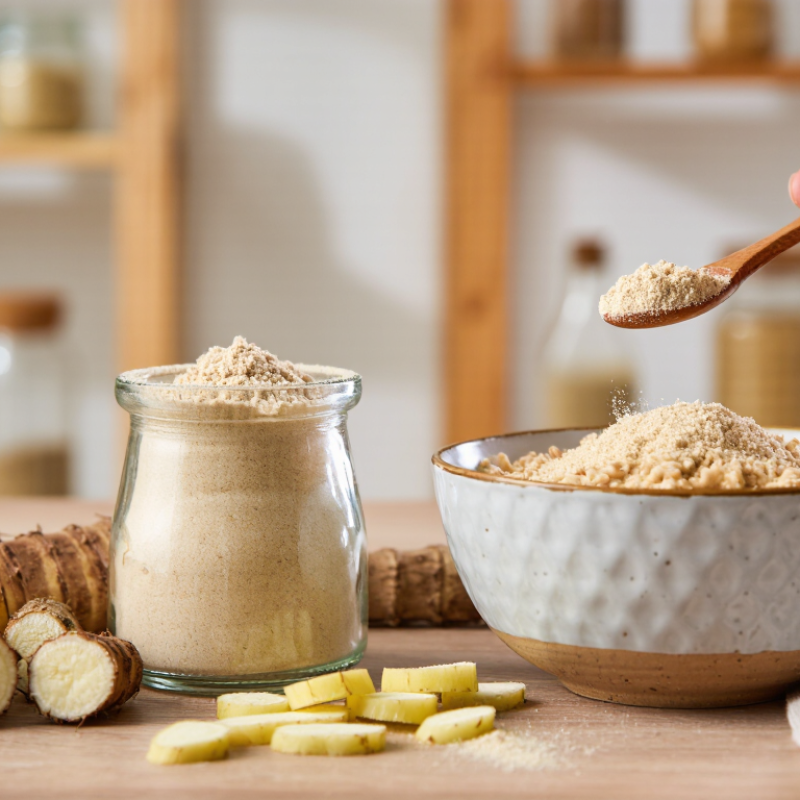
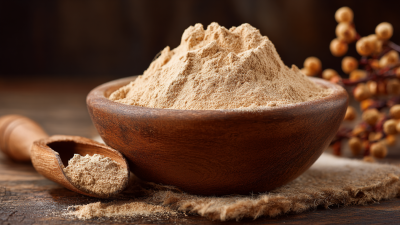
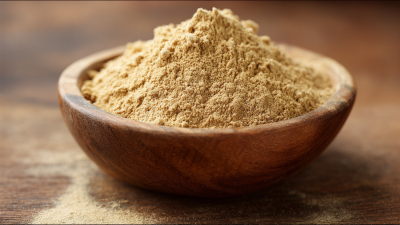
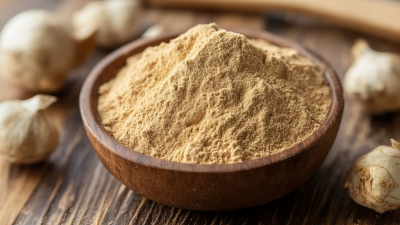
Maca root powder is made from dried roots of Lepidium meyenii, a plant traditionally grown in the high Andes of Peru. The root develops underground in cold, windy conditions. After harvest, it is typically dried and milled into a tan or cream-colored powder.
Its flavor is earthy, mildly nutty, and sometimes a little like toasted grain. Some people stir it into oatmeal, yogurt, or smoothies; it can also be mixed into warm milk. Start with a small amount. Texture matters.
Maca is a food, not a proven treatment for fatigue, hormone problems, or infertility. Research in people is still limited, and results do not establish that the powder causes specific health benefits. Nutrient levels can vary with growing conditions and processing, so labels may not tell the whole story. If you have a medical condition, take medicines, or are pregnant or breastfeeding, ask a qualified healthcare professional before using it regularly. The evidence is not settled, and that is worth saying plainly.
Maca grows mainly on the high Andean plateau of central Peru, especially around Junín. Many fields sit above 3,500 metres, where nights are cold and winds can sweep across open grassland. The soil is often poor, and the growing season is short. Tough conditions. The plant forms a small leafy crown above ground and a fleshy root below it. Farmers generally harvest the roots after the leaves begin to fade. Root color varies, including cream, yellow, red, and dark purple. Local growing conditions and crop varieties can affect the final product, so not every harvest tastes or looks alike.
After harvest, roots are cleaned and traditionally dried in the sun, sometimes for several weeks. Drying helps preserve them for storage and transport. Once thoroughly dry, the roots can be milled into powder. Some producers also make gelatinized maca: the root is heated and processed before drying and grinding, which changes its starch structure. The term does not mean the product contains gelatin. Processing methods differ, and labels may not explain every step. I would avoid assuming that all powders are interchangeable; drying, heat, and storage can influence flavor and texture. Maca powder often tastes earthy, slightly sweet, and a little malty.
Maca root powder comes from a starchy Andean root, usually dried before it is ground. Its nutrition depends on growing conditions and processing, so figures can vary between samples. Still, the powder generally provides carbohydrates, some protein, and dietary fiber. A spoonful stirred into oatmeal may add a mild, earthy taste and a little thickness.
Maca also contains minerals such as potassium, calcium, iron, and copper, though a typical serving is small. It is not a reliable substitute for foods chosen to meet specific nutrient needs. The root contains plant compounds called glucosinolates, also found in vegetables like broccoli. Processing can change their levels. Small details matter.
Researchers have also identified macamides and macaenes, compounds associated with maca that are not well understood in humans. Their presence helps explain scientific interest, but it does not prove a particular health effect. Claims about maca can run ahead of the evidence. I would treat it as a food ingredient, not a guaranteed remedy, and check the ingredient label for added sugars or fillers.
| Category | Nutrient or compound | What it is or contributes | What to know |
|---|---|---|---|
| Macronutrient | Carbohydrates | A major component of dried maca root and a source of dietary energy. | The amount in a serving depends on the product and serving size. |
| Macronutrient | Dietary fiber | Plant material that contributes to the fiber content of the root. | Processing and product formulation can affect the amount in the powder. |
| Macronutrient | Protein | Maca contains protein, including amino acids that make up dietary proteins. | It is a plant food, not a complete substitute for a varied protein-rich diet. |
| Macronutrient | Fat | Maca contains small amounts of lipids, including fatty acids. | The quantity varies with the root, growing conditions, and processing. |
| Mineral | Potassium | An essential mineral naturally present in maca root. | Amount per serving should be checked on the product’s nutrition label when available. |
| Mineral | Calcium | An essential mineral found in maca; its concentration varies among samples. | Maca powder should not automatically be treated as a major calcium source. |
| Mineral | Iron | An essential mineral reported in analyses of maca root. | Iron content and absorption can vary; label values are product-specific. |
| Characteristic plant compounds | Glucosinolates | Sulfur-containing compounds also found in other plants in the cabbage family. | Types and levels can differ by maca variety and by how the root is processed. |
| Characteristic plant compounds | Macamides and macaenes | Lipid-related compounds identified in maca and often studied as distinctive constituents. | Research is ongoing; their presence does not establish a specific health effect in people. |
| Plant compounds | Polyphenols | A broad group of naturally occurring plant compounds detected in maca. | Laboratory findings do not by themselves show a proven health benefit from eating maca. |
| Why it is popular | Traditional food use and convenient powder form | Maca is an edible root traditionally consumed in the Andes and can be mixed into foods or drinks. | It is also marketed for energy, mood, or sexual health, but evidence for these effects in humans is limited and mixed. |
Note: Maca’s nutrient and plant-compound levels vary with variety, growing conditions, storage, and processing. This table describes constituents generally reported in maca root; it is not a standardized nutrition label or a medical claim.
Maca root powder is often promoted for libido, energy, mood, and menopausal comfort. Interest sits within a broader supplement culture: the Council for Responsible Nutrition’s 2023 Consumer Survey found that
Popularity is not proof.
The clinical evidence remains modest. A 2010 systematic review in BMC Complementary and Alternative Medicine examined four randomized trials involving 131 people. Some findings suggested possible improvements in sexual desire, but the studies were small and varied in design.
Promising? Maybe.
They do not establish maca as a treatment for infertility, low mood, or hormonal problems. A small scoop stirred into oatmeal may be easy to try, yet product quality and study doses differ. Researchers also need larger, longer trials that track side effects.
Maca is not known to reliably change hormone levels, and safety data remain limited for pregnancy, breastfeeding, and some medical conditions. Check with a qualified clinician if you take medication or have a health concern.
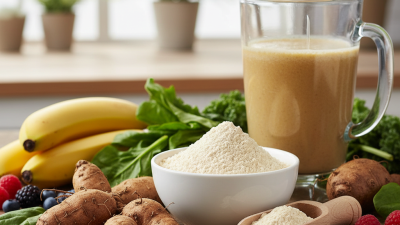
Maca root powder is usually stirred into smoothies, porridge, yogurt, or pancake batter. Its flavor is earthy and slightly malty, so a small amount can change the taste of a simple breakfast. Some people mix it with warm milk or blend it with banana and cocoa. The powder does not dissolve completely; expect a little graininess.
Maca has long been eaten as a food in parts of the Andes, and its convenient powder form fits modern routines. People may choose it for its distinct taste, its plant-based origin, or claims about energy and vitality. The claims deserve careful reading. Research on maca’s effects in people is still limited, and results do not mean everyone will feel a difference. It is not a substitute for a balanced diet or medical care.
Quality and personal tolerance matter. Products can vary in processing and composition, so check ingredient labels and follow package directions rather than assuming more is better. The flavor can be an acquired taste. If you have a health condition, take medication, or are pregnant, ask a qualified health professional before using it regularly. A food can be popular without being a proven remedy.