How to Use Melatonin Supplements for Better Sleep Quality
Sleep is an essential component of overall health and well-being, yet many individuals struggle to achieve consistent and restorative rest. In the quest for improved sleep quality, Melatonin Supplements have gained significant attention for their potential to help regulate sleep patterns. Melatonin, a hormone naturally produced by the body in response to darkness, plays a crucial role in signaling the onset of sleep. However, factors such as stress, irregular sleep schedules, and environmental disturbances can lead to disruptions in the natural melatonin production, causing difficulties in falling and staying asleep.
In this guide, we will explore how Melatonin Supplements can be effectively used to enhance sleep quality. We will discuss the science behind melatonin, recommended dosages, timing for optimal effects, and potential side effects to consider. By understanding how to incorporate these supplements into your routine, you may find a reliable strategy to reclaim restful nights and improve your overall health. Whether you are dealing with occasional insomnia or a chronic sleep issue, this comprehensive approach will provide you with valuable insights into harnessing the benefits of Melatonin Supplements for better sleep.

Understanding Melatonin: What It Is and How It Works
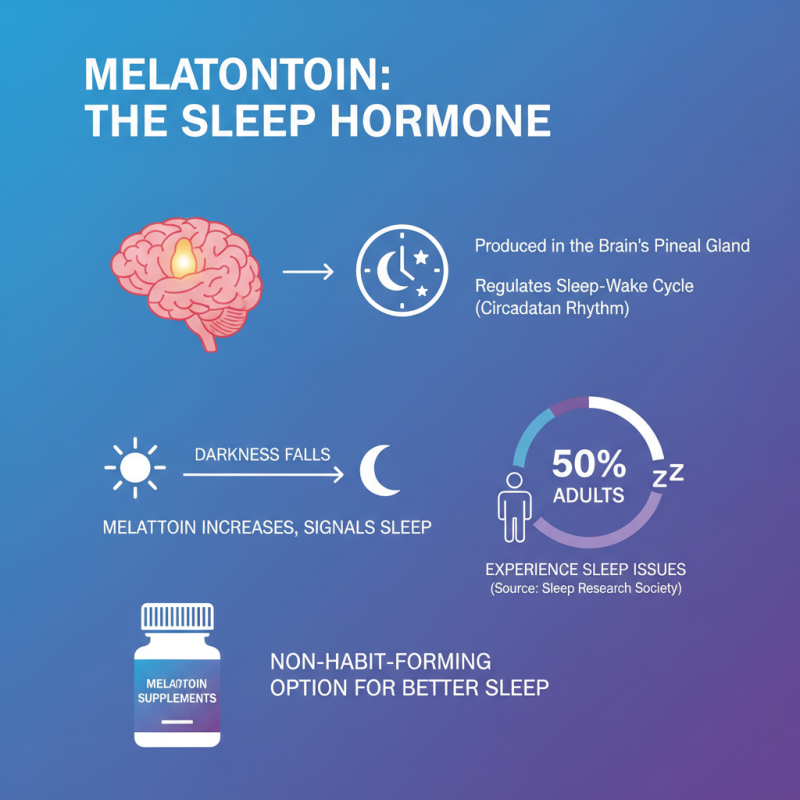
Melatonin is a hormone naturally produced in the brain's pineal gland, playing a crucial role in regulating our sleep-wake cycle, also known as the circadian rhythm. When darkness falls, melatonin secretion increases, signaling to the body that it's time to prepare for sleep. According to a report by the Sleep Research Society, nearly 50% of adults report experiencing sleep-related issues, underscoring the importance of melatonin in promoting better sleep quality. In recent years, melatonin supplements have gained popularity as a non-habit forming option for those seeking to improve their sleep patterns.
The effectiveness of melatonin supplements is supported by various studies. Research published in the Journal of Clinical Sleep Medicine found that melatonin can significantly reduce the time it takes to fall asleep and increase overall sleep duration. The optimal dosage varies widely among individuals, with studies suggesting that doses between 0.5 mg to 5 mg can be effective for many. Additionally, melatonin's role in managing jet lag and shift work sleep disorder is well-documented, demonstrating its ability to synchronize the body's internal clock with external cues, which is crucial for individuals experiencing disruptions in their natural rhythms.
Determining the Right Dosage of Melatonin Supplements
When using melatonin supplements to enhance sleep quality, determining the right dosage is crucial for effectiveness and safety. Melatonin is a hormone that regulates sleep-wake cycles, but the optimal dosage can vary widely depending on individual needs and health conditions. Generally, a lower dose of 0.5 to 5 mg taken about 30 minutes before bedtime is recommended to start with.
Gradually adjusting the dosage based on how your body responds is key, as higher doses do not always lead to better sleep and can sometimes lead to unwanted side effects.
Tips for finding the right dosage include keeping a sleep diary to track your sleep patterns and how you feel upon waking. This will help you notice subtle changes and determine whether your melatonin intake is effective. Additionally, consulting with a healthcare professional can provide personalized guidance based on your specific sleep issues and overall health. Remember that less is often more with melatonin, so starting with a lower dose and making minor adjustments can lead to an effective routine.
Another important aspect to consider is the timing of your melatonin intake. Taking the supplement too early or too late can disrupt your circadian rhythm rather than stabilize it. Aim to create a consistent bedtime routine, as this can enhance the effects of melatonin and improve your sleep environment, leading to a better night’s rest.
Timing Your Melatonin Intake for Optimal Sleep Benefits
Timing your melatonin intake is crucial for maximizing its benefits on sleep quality. Research indicates that taking melatonin approximately 30 to 60 minutes before your desired sleep time can help align your body's circadian rhythms with the external environment. A study published in the Journal of Pineal Research highlights that melatonin supplementation in the evening can significantly advance the onset of sleep, reducing the time it takes to fall asleep by up to 50%. This is particularly beneficial for individuals dealing with insomnia or those adjusting to shift work.
Moreover, experts recommend considering the specific timing based on individual lifestyles. For instance, a meta-analysis published in the Cochrane Database of Systematic Reviews suggests that individuals suffering from jet lag may benefit from taking melatonin closer to their target sleep time in the new time zone. This strategic timing can help reset the body's internal clock more effectively. Thus, understanding when to take melatonin is not just about the supplement itself, but also about syncing it with your body's natural sleep-wake cycle for optimal results.
Potential Side Effects and Interactions of Melatonin Supplements
Melatonin supplements are increasingly popular as a natural remedy for sleep disturbances. However, it's essential to understand their potential side effects and interactions before incorporating them into your routine. Research indicates that while melatonin is generally well-tolerated, about 10-15% of users report experiencing adverse effects. These can include drowsiness, dizziness, headaches, and even mood changes.
Furthermore, higher doses of melatonin, often exceeding 5 mg, can lead to more significant side effects, such as daytime fatigue and disrupted sleep cycles.
In addition to direct side effects, melatonin can interact with various medications. According to a report from the American Academy of Sleep Medicine, patients on blood thinners, immune suppressants, or certain antidepressants should exercise caution when taking melatonin, as it may alter the effectiveness of these drugs.
Additionally, individuals with chronic health conditions, such as diabetes or hypertension, may experience complications when combining melatonin with their treatment regimens. Given these potential risks, it is crucial to consult a healthcare professional before starting melatonin, particularly for those with underlying health issues or those taking multiple prescriptions.
Best Practices for Combining Melatonin with Sleep Hygiene Techniques
Combining melatonin supplements with effective sleep hygiene practices can significantly enhance sleep quality. To start, establish a consistent sleep schedule by going to bed and waking up at the same time each day, even on weekends. This regularity reinforces your body's natural circadian rhythm, which melatonin supplements can complement. Additionally, create a calming bedtime routine that signals to your body it’s time to wind down. Engaging in relaxing activities such as reading, gentle stretching, or meditation can help facilitate this process.
Another key practice is optimizing your sleep environment. Make sure your bedroom is conducive to sleep by keeping it dark, quiet, and at a comfortable temperature. Consider using blackout curtains, white noise machines, or fans to block out distractions. Limit exposure to screens and blue light in the hours leading up to bedtime, as this can interfere with melatonin production. By combining these sleep hygiene techniques with melatonin supplements, you can create a holistic approach to achieving better sleep quality.
 +852 54195003