Top 10 Melatonin Supplements for Better Sleep Quality?
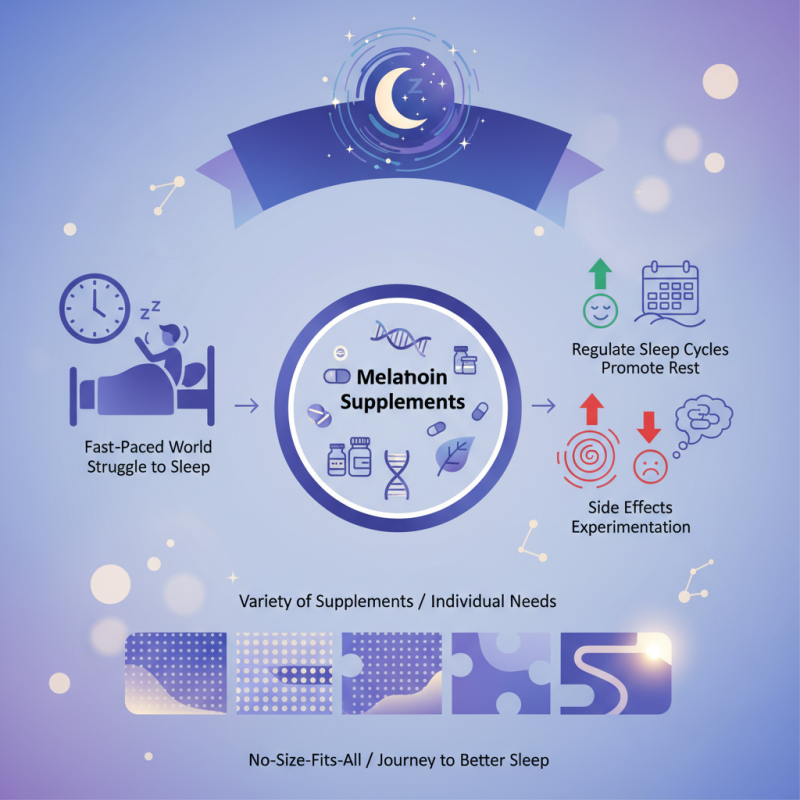
In our fast-paced world, many struggle to achieve restful sleep. Insufficient sleep affects mood, focus, and overall health. This is where Melatonin Supplements come into play. They help regulate sleep cycles and promote better rest.
A variety of Melatonin Supplements are available today. Some are more effective than others, depending on individual needs. Certain brands and formulations stand out. They offer unique blends and dosages for various sleep issues. But not all supplements guarantee the same results for everyone.
Choosing the right product can be challenging. Some users report side effects like dizziness or vivid dreams. It’s important to reflect on personal experiences with these supplements. Experimentation may be necessary to find what works best. There is no one-size-fits-all solution, and that’s part of the journey to better sleep.
Top Melatonin Supplements: Understanding Their Role in Sleep Quality
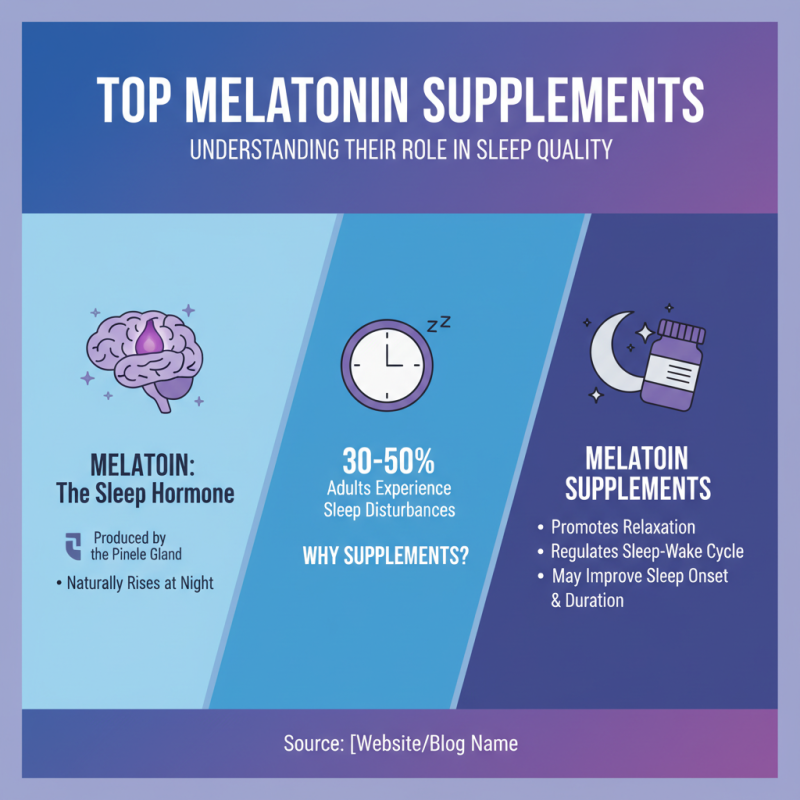
Melatonin supplements have gained popularity for promoting better sleep quality. Melatonin is a hormone produced by the pineal gland, primarily during the night. Studies indicate that around 30-50% of adults experience sleep disturbances. Thus, many turn to melatonin supplements for relief.
Research suggests that melatonin can be effective for improving sleep onset latency. A meta-analysis showed that melatonin could reduce the time it takes to fall asleep by approximately 7 minutes. Furthermore, it can enhance overall sleep duration. However, individual responses vary. Some users report feeling groggy the next day. This highlights the importance of adjusting dosages.
Additionally, the timing of melatonin intake is crucial. Taking it too early or late may disrupt circadian rhythms. A report indicated that for those with insomnia, high doses may not always work better. Starting with a lower dose is often advised. This approach allows users to find the right balance. Effective sleep management involves a combination of melatonin use and good sleep hygiene practices.
Factors Affecting Melatonin Efficacy: Dosage, Timing, and Formulation
Melatonin supplements can aid sleep, but their effectiveness varies. Several factors play a critical role. Dosage is key. Too little may be ineffective. Conversely, too much can cause grogginess. Many suggest starting with a low dose. Adjust as needed. A trial-and-error approach often helps.
Timing of melatonin intake also matters. Taking it too early or too late can disrupt your sleep cycle. Experts often recommend consuming it 30-60 minutes before bedtime. This timing allows your body to adjust naturally. It’s essential to maintain consistency in your routine.
Formulation can significantly influence results. Melatonin is available in tablets, gummies, and liquid forms. Each type may affect absorption rates differently. Some people find that fast-dissolving forms work better for them. Others prefer a slow-release version to maintain sleep throughout the night. Individual responses can vary, highlighting the need for self-exploration in finding what truly works.
Comparative Analysis: Natural vs. Synthetic Melatonin Supplements
When it comes to melatonin supplements, the choice between natural and synthetic options can be confusing. Natural melatonin is derived from animal sources like the pineal glands of cows. It is thought to be more effective due to its bioidentical nature, mimicking the melatonin produced in the human body. However, sourcing these ingredients raises ethical questions about animal welfare. Can we ignore these concerns?
Synthetic melatonin, on the other hand, is created in laboratories. It offers a consistent and generally more reliable dosage. Many people find synthetic options to be more accessible and affordable compared to natural sources. Yet, some users report experiencing side effects or inadequate results. This begs the question: Is synthetic melatonin truly the best option for everyone?
The ideal choice often varies among individuals. Some may thrive on natural formulations, while others might prefer the consistency of synthetic alternatives. It's essential to reflect on your personal health needs and possible sensitivities. Experimenting with different types could lead to better sleep, or it may not. Where do you fall in this spectrum?
Key Ingredients in Melatonin Supplements: Enhancers and Additives
Melatonin supplements can promote better sleep, but their effectiveness often relies on key ingredients. Beyond melatonin, other additives play a significant role. For instance, magnesium is known to help relax muscles and calm the mind. A dose of magnesium may enhance the sleep-inducing effects of melatonin. It's a powerful combination.
Another common ingredient is valerian root. Valerian is reputed for its ability to reduce anxiety and improve sleep quality. Some users report feeling more relaxed and ready for bed after taking it. However, valerian doesn’t work for everyone, and some may experience mild side effects.
Herbal extracts like chamomile or passionflower can also be beneficial. They may promote relaxation and soothe the nerves. Users often find that these ingredients help ease their transition to sleep. Yet, individual responses vary widely. What works for one person may be ineffective for another. It's crucial to pay attention to how you feel after trying different combinations.
Top 10 Melatonin Supplements for Better Sleep Quality
| Supplement Name |
Dose (mg) |
Key Ingredients |
Enhancers/Additives |
Form |
| Melatonin Complex |
3 |
Melatonin, Vitamin B6 |
Valerian Root, Chamomile |
Capsule |
| Sleep Support |
5 |
Melatonin, L-Theanine |
Magnesium, GABA |
Tablet |
| Rest & Relax |
1.5 |
Melatonin, Passionflower |
Lemon Balm, Ashwagandha |
Gummy |
| Night Calm |
10 |
Melatonin, 5-HTP |
St. John's Wort, Calcium |
Softgel |
| Deep Sleep Formula |
3 |
Melatonin, Magnesium |
Hops, Lemon Balm |
Capsule |
| Sleep Well |
5 |
Melatonin, L-Tryptophan |
Hawthorn, Vitamin B6 |
Tablet |
| Circadian Rhythm |
2 |
Melatonin, GABA |
Kava Kava, Green Tea |
Capsule |
| Restful Nights |
1 |
Melatonin, Valerian Root |
Skullcap, Chamomile |
Tea |
| SleepEnhancer |
3 |
Melatonin, L-Theanine |
Ashwagandha, Rhodiola |
Capsule |
| Zzz Solution |
5 |
Melatonin, 5-HTP |
L-Tryptophan, Vitamin D |
Gummy |
Latest Research Findings: Melatonin Impact on Sleep and Circadian Rhythm
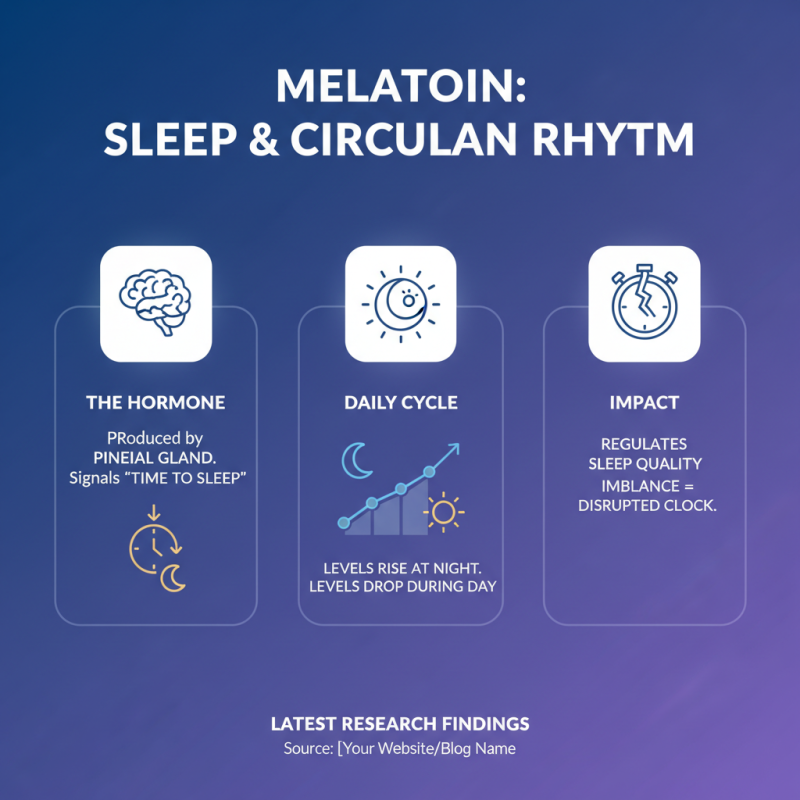
Melatonin has garnered attention for its role in promoting better sleep quality. Recent studies highlight its essential function in regulating sleep and circadian rhythms. This hormone, produced by the pineal gland, signals to the body that it's time to sleep. Its levels rise at night and drop during the day. However, an imbalance can disrupt our internal clock.
Experts suggest that environmental factors influence melatonin production. Exposure to bright screens before bedtime can inhibit its release. This may lead to difficulty falling asleep or waking up feeling unrested. Some reports indicate that while melatonin supplements can be effective, they are not a panacea for sleep issues. Overreliance on these supplements may prevent individuals from addressing underlying problems.
While melatonin can aid in establishing a regular sleep pattern, results can vary among individuals. It is important to consider personal habits and lifestyle factors that could contribute to sleep challenges. Relying solely on supplementation can obscure these essential reflections. Understanding the interplay between melatonin, sleep quality, and daily routines remains crucial in the quest for restorative sleep.
 +852 54195003