Why Should You Consider Magnesium Sleep Supplements for Better Sleep?
In today’s fast-paced world, many individuals struggle with sleep issues. Magnesium Sleep Supplements have gained attention as a potential solution. Dr. Sarah James, a wellness expert, highlights, “Magnesium plays a key role in promoting relaxation and restful sleep.”
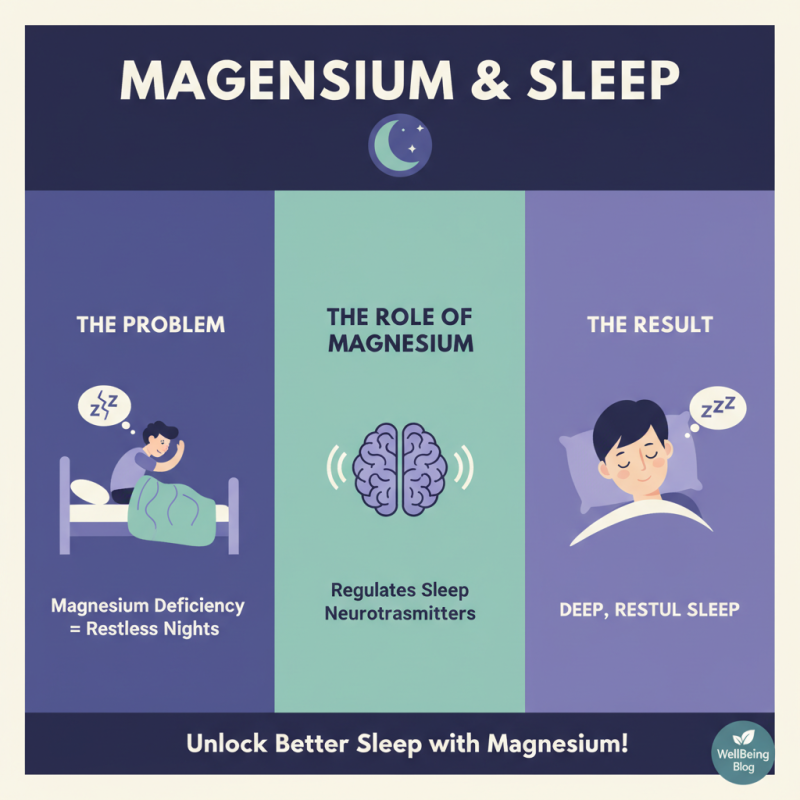
Our bodies often lack essential nutrients like magnesium. This deficiency can lead to increased anxiety and restless nights. Many people find themselves tossing and turning, unable to find peace. The introduction of Magnesium Sleep Supplements presents an opportunity to address these concerns.
However, it’s important to consider individual needs. Not everyone responds the same way to supplements. Consulting with a healthcare professional is crucial before starting any new regimen. Understanding how magnesium works can guide you towards better sleep and overall well-being.
Understanding the Importance of Sleep for Overall Health
Sleep is a fundamental part of overall health. It plays a crucial role in bodily functions. Experts recommend that adults aim for 7-9 hours of quality sleep each night. However, many fail to meet this benchmark. According to a 2021 report from the CDC, around 35% of adults report inadequate sleep, which can lead to serious health issues.
Lack of sleep affects mental health. It can lead to increased anxiety and depression. A study published in the Journal of Clinical Psychiatry found a direct link between sleep duration and mood disorders. Those who sleep less than six hours are at a higher risk. Sleep deprivation can also compromise the immune system. The National Sleep Foundation states that it’s linked to a higher susceptibility to illness and chronic conditions.
Many people overlook the importance of sleep in their wellness routines. They focus on diet and exercise but neglect restful practices. Integrating supplements like magnesium may help. Research suggests that magnesium can relax muscles and calm the nervous system, aiding in sleep quality. Yet, individuals should also reflect on their sleep habits and routines. What does your night look like? Are you truly prioritizing sleep?
What is Magnesium and Its Role in the Body?
Magnesium is an essential mineral that plays a crucial role in various bodily functions. It contributes to muscle function, energy production, and the regulation of mood. This mineral is also vital for maintaining a healthy nervous system. When magnesium levels are balanced, our bodies can function more efficiently. Many people, however, may not get enough magnesium from their diets. This deficiency can lead to various health issues, including sleep disturbances.
Magnesium helps promote restful sleep by regulating neurotransmitters. These are chemicals that transmit signals in the brain. It also helps control the body's stress response, which can directly impact sleep quality. When you're stressed, your body produces cortisol. High cortisol levels can lead to insomnia or poor sleep performance. By incorporating magnesium into your routine, you might find improvements in your sleep patterns. Imagine feeling more relaxed before bed, allowing you to drift off easily.
However, not everyone reacts to supplements the same way. Some people may experience mild side effects or simply see no change. That's where self-reflection comes in. Assess your diet and lifestyle before turning to supplements. Are you getting enough magnesium-rich foods? This journey is personal. Finding what works best for you might take time and patience.
Importance of Magnesium for Sleep Quality
This chart illustrates the relationship between magnesium intake and sleep quality. Studies suggest that adequate magnesium levels can result in improved sleep quality, reflected here with a hypothetical magnesium intake of 400 mg correlating to a sleep quality score of 8 out of 10.
Benefits of Magnesium Sleep Supplements for Better Sleep
Magnesium is essential for various bodily functions, especially sleep. Research reveals that about 68% of adults struggle to fall asleep at least once a week. This often leads to chronic sleep deprivation, affecting overall health. Magnesium sleep supplements can help enhance sleep quality.
One study published by the Journal of Research in Medical Sciences suggests that magnesium can improve sleep efficiency. A dosage of 500 mg daily significantly increased sleep duration. Participants reported feeling more rested and alert during the day. As many as 72% noticed reduced instances of insomnia after a magnesium regimen.
Adequate magnesium levels support muscle relaxation and reduce anxiety. These factors contribute to a more restful sleep. Another study from the National Institutes of Health showed that magnesium deficiency raised cortisol levels. High cortisol disrupts sleep patterns. Individuals who supplement with magnesium may find improved mood and reduced stress, fostering better sleep conditions.
Why Should You Consider Magnesium Sleep Supplements for Better Sleep? - Benefits of Magnesium Sleep Supplements for Better Sleep
| Benefit |
Description |
Evidence Level |
| Improves Sleep Quality |
Magnesium has been shown to enhance sleep quality by regulating neurotransmitters that calm the nervous system. |
High |
| Reduces Insomnia Symptoms |
Supplementing with magnesium may help alleviate insomnia, particularly in those with magnesium deficiencies. |
Moderate |
| Promotes Relaxation |
Magnesium plays a crucial role in the function of GABA receptors, promoting feelings of relaxation. |
High |
| Reduces Stress |
It has been linked to lower cortisol levels, which may reduce the impact of stress on sleep. |
Moderate |
| Supports Overall Sleep Duration |
Magnesium supplementation may contribute to longer sleep duration and improve sleep efficiency. |
Moderate |
Choosing the Right Magnesium Supplement for Sleep Support
Choosing the right magnesium supplement for sleep support can feel overwhelming. There are various forms of magnesium available, such as citrate, glycinate, and oxide. Each form has different absorption rates and effects on the body. For instance, magnesium glycinate is often recommended for its calming properties, perfect for enhancing sleep.
When exploring options, it's essential to consider dosage. Most adults benefit from 200 to 400 mg of magnesium, depending on their needs. Too much magnesium can cause digestive issues, which can ironically disrupt your sleep. Start with a lower dose and adjust as necessary. Keep in mind that individual responses to supplements can vary significantly.
You should also be cautious about combining magnesium with other sleep aids. This combination may lead to excessive sedation, which can be unhealthy. Pay attention to how your body reacts. It's useful to document your experiences, noting what works and what doesn't. Experimenting with different forms and dosages can be a journey toward discovering what genuinely enhances your sleep quality.
 +852 54195003