Leave Your Message

How to Use Maca Powder and What Are Its Benefits?

Maca powder comes from the root of a plant grown in Peru’s Andes. Its earthy, slightly malty taste works in a smoothie, warm milk, or a bowl of oatmeal. A small spoon can change the flavor more than expected. Maca Powder Benefits are often described in bold terms, but research deserves a closer look.

Peruvian researcher Gustavo F. Gonzales has emphasized, “Maca is a food, not a medicine.” That distinction matters. Studies have explored possible effects on energy, sexual wellbeing, and fertility, but findings remain limited and do not prove maca treats health conditions. Products also differ in processing and quality, so one person’s experience may not match another’s. The evidence is still developing.

This guide looks at practical ways to use maca powder, from mixing it into yogurt to blending it with fruit, and reviews what research can—and cannot—say about its benefits. It also covers sensible serving habits and safety considerations. Check the product label, start with a small amount, and notice how your body responds. Not every claim is convincing. People who are pregnant, have a health condition, or take medication can ask a qualified healthcare professional before using it regularly. A little curiosity helps; a little skepticism helps too.
How to Use Maca Powder and What Are Its Benefits?

What Maca Powder Is and How It Is Made

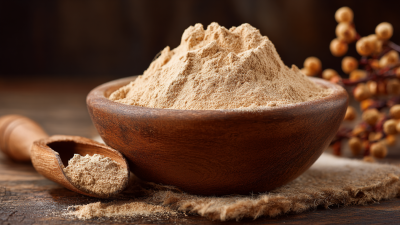
Maca is a root vegetable, Lepidium meyenii, grown in the high Andes of Peru and nearby regions. It develops underground in cold, windy conditions, where few crops thrive easily. After harvest, the roots are cleaned and dried. Traditionally, they were dried in the sun, sometimes for weeks, before being stored or ground. The finished powder is usually beige, though color can vary with the root variety and processing. Its flavor is earthy and slightly malty. Not especially sweet.

Commercial maca powder may be made from dried roots ground into a fine powder. Some products are gelatinized: the roots are heated and pressed to remove much of their starch before milling. Despite the name, this process does not mean gelatin is added. Processing methods differ, so the word “maca” alone does not tell you exactly how a powder was prepared. Look for clear ingredient and processing information on the package. A spoonful may feel chalky or clump in a cool drink; mixing it into warm porridge often works better. The details matter, and I would not assume every powder tastes or behaves the same.
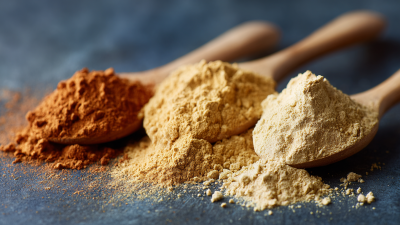
What Maca Powder Is and How It Is Made

Maca powder is made from the root of the maca plant (Lepidium meyenii), which grows in the Andes. The roots are harvested, cleaned, dried, and milled; some products are also gelatinized using heat and moisture.

Approximate macronutrients per 100 g: carbohydrates 71.4 g, protein 14.3 g, and fat 3.6 g. Values can vary with growing conditions and processing. Maca is used as a food and supplement, but research has not established that it reliably provides specific health benefits.

Nutrients and Compounds Found in Maca

Maca powder is made from dried maca root, so its nutrients are more concentrated than those in fresh root. It provides carbohydrates and dietary fiber, with smaller amounts of protein and fat. The powder also contains minerals such as potassium, iron, and copper, though levels can vary with growing conditions and processing. It is not a dependable way to meet a daily mineral target. A small spoonful stirred into oatmeal can add a mild, earthy flavor and a slightly grainy texture.

Maca contains plant compounds, including glucosinolates, polyphenols, and macamides, which are characteristic of the root. Glucosinolates also occur in vegetables such as broccoli, but maca’s mix and amounts are different. Researchers are studying these compounds, yet their effects in people are not fully established. That distinction matters. A nutrient’s presence does not prove that maca powder will deliver a specific health benefit. Studies can differ in the type of maca used, how it is prepared, and the amount consumed. Even the same powder may not have identical nutrient levels from batch to batch.

Potential Benefits and What Research Says

Maca powder comes from a root traditionally eaten in the Andes. Researchers have studied it for possible effects on sexual desire, mood, fertility, and menopausal symptoms. Some small human trials suggest it may improve sexual desire for certain adults. The results are not consistent, and they do not show that maca treats sexual difficulties. A promising signal, not proof.

Studies on menopausal symptoms have also reported possible changes in mood or comfort, but the evidence is limited. Many trials included few participants or lasted only a short time. That matters. Animal studies and traditional use can guide research, but they cannot confirm benefits in people. Maca is not established as a hormone-balancing treatment, either.

If you try the powder, a small spoonful stirred into oatmeal or a smoothie is a practical way to start. Notice how you feel, and stop if it causes unwanted effects. Personal impressions are useful, but they are not the same as clinical evidence. People who are pregnant, breastfeeding, managing a health condition, or taking medication should ask a qualified health professional before using maca. Research has not settled its long-term safety or which preparations, if any, work best.

How to Choose and Use Maca Powder

How to Choose and Use Maca Powder

Choose maca powder with one clearly named ingredient: maca root. Check the label for serving size, country of origin, and independent testing for contaminants. A certificate from a qualified testing laboratory can offer useful quality information, though it does not prove health benefits. Raw and gelatinized powders are both sold; processing may affect texture and digestion, but neither form is proven superior for everyone. The earthy flavor is strong. It can dominate a smoothie, so try a small amount in oatmeal or yogurt first.

Use it as a food ingredient, not a treatment. Mix it into a cool drink or warm porridge, and follow the package directions rather than assuming more is better. A systematic review by Shin and colleagues examined four randomized trials involving 131 participants; the authors judged evidence for sexual-function benefits limited (BMC Complementary and Alternative Medicine, 2010). That is a small evidence base. The U.S. National Center for Complementary and Integrative Health also notes that reliable evidence for many herbal products is limited. If pregnant, breastfeeding, managing a medical condition, or taking medication, ask a clinician before use. Research does not settle every safety question, and personal tolerance can vary. Not a miracle.

Safety, Side Effects, and Precautions

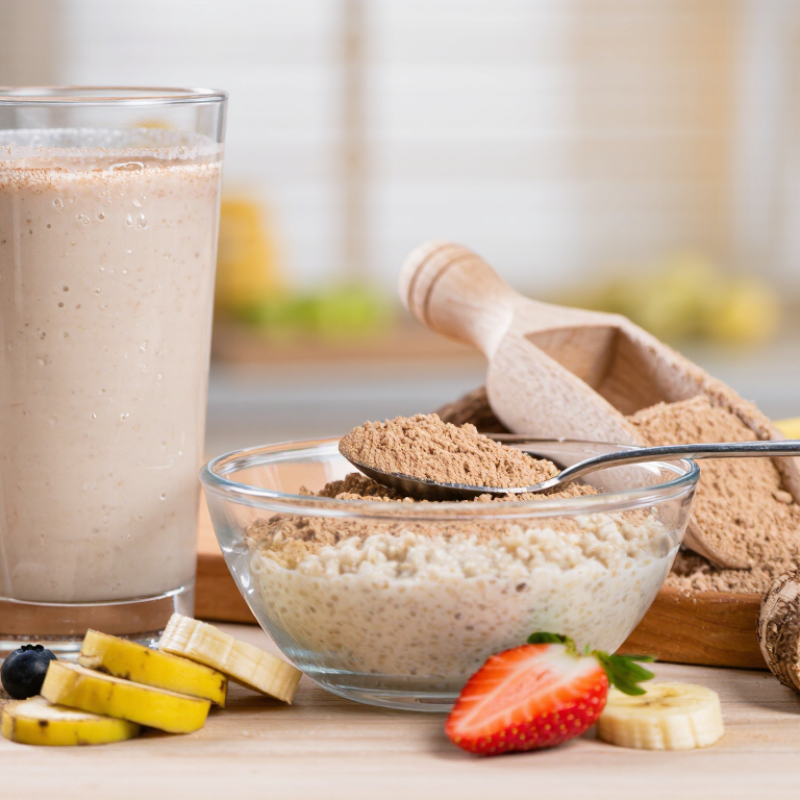
Maca powder can be stirred into oatmeal, yogurt, or a smoothie; its earthy, slightly nutty taste pairs well with cocoa or banana. Products vary, and research has not established a standard serving size. Start with the package directions and stop if you feel unwell. Small steps matter.

Safety evidence is limited. A 2010 systematic review in BMC Complementary and Alternative Medicine identified four randomized trials of maca, generally small and short. The studies did not establish long-term safety, and side effects were not consistently reported. Some users describe stomach discomfort, but reliable rates are unavailable. That uncertainty is worth taking seriously.

Pregnant or breastfeeding people should avoid maca unless a qualified clinician advises otherwise, because safety data are insufficient. People with hormone-sensitive conditions, or those taking regular medication, should discuss it with a clinician before use; possible interactions and hormonal effects remain unclear. Choose food-grade powder from a supplier that provides quality testing, and keep the label for your clinician. If new symptoms appear, stop taking it and seek medical advice.

How to Use Maca Powder and What Are Its Benefits? - Safety, Side Effects, and Precautions

Topic Evidence-Based Information Practical Guidance
What maca powder is Maca is a root vegetable (Lepidium meyenii) traditionally grown in the Andes. Its root is commonly dried and sold as powder or in supplement products. Check the ingredient list and serving directions. Products and processing methods can differ.
How to use it Maca powder can be mixed into foods and drinks. There is no universally established, evidence-based dose for general health. Start with a small amount in food and follow the product label. Do not assume that a larger serving is more effective.
Ways to add it to food The powder has an earthy, slightly nutty taste and can be added to smoothies, oatmeal, yogurt, or baked goods. Mix it thoroughly into moist foods or drinks. If the taste is strong, use a smaller amount.
Possible effects on sexual function Some small human studies suggest maca may affect sexual desire in certain groups, but the evidence is limited and does not establish a reliable treatment effect. Maca should not replace assessment or treatment for persistent sexual-health concerns.
Possible effects on fertility Research on maca and fertility is limited. It has not been shown to reliably improve fertility or pregnancy outcomes. People seeking fertility care should discuss supplements with their healthcare professional.
Energy, mood, or stamina Claims that maca consistently improves energy, mood, or athletic performance are not supported by strong, conclusive clinical evidence. Do not use maca as a substitute for sleep, balanced nutrition, or medical care for ongoing fatigue or mood symptoms.
Commonly reported side effects Some people may experience digestive discomfort, such as stomach upset. Research on side effects is limited, so the full risk profile is not known. Stop using it if you develop an unwanted reaction. Seek medical advice for severe or persistent symptoms.
Pregnancy and breastfeeding There is not enough reliable safety information to establish whether maca supplements are safe during pregnancy or breastfeeding. Consult a healthcare professional before using maca supplements during pregnancy or while breastfeeding.
Thyroid conditions Maca belongs to the cruciferous plant family. Concerns about effects on thyroid function are not well established for typical food use, but evidence on concentrated supplements is limited. If you have a thyroid condition or take thyroid medication, ask a healthcare professional before using maca regularly or in supplement amounts.
Medical conditions and medicines High-quality evidence about maca’s interactions with medicines and health conditions is limited. Discuss regular supplement use with a healthcare professional, especially if you have a chronic condition or take prescription medicines.
When to seek advice Dietary supplements are not a substitute for diagnosis or treatment, and product quality and composition can vary. Ask a healthcare professional before starting a supplement if you have health concerns, and seek care for allergic symptoms or other serious reactions.

Note: Research on maca is limited, and findings from small studies should not be treated as proof of a medical benefit. This table is general information, not personal medical advice.