+852 54195003



- Home
- Products
- About US
- FAQ
- News
- Tips
- Contact Us
Leave Your Message
-
Phone
-
E-mail
-
WhatsApp
-
WA Business

Choosing the right Melatonin Supplement in 2026 requires more than comparing prices or colorful labels. Sleep needs differ, product quality varies, and higher strength does not always mean better results. A thoughtful choice begins with evidence, transparent ingredients, and realistic expectations.
Sleep researcher Dr. Russell J. Reiter has described melatonin as “the hormone of darkness.” This helps explain its role: melatonin mainly supports the body’s sleep-wake timing system. It is not a guaranteed sedative. That distinction matters.
This guide will examine dosage, formulation, testing, added ingredients, and appropriate use. Look for clear labeling and independent quality verification, such as USP or NSF certification where available. Check the amount of melatonin per serving, not merely the tablet size. Gummies may also contain added sugar or inconsistent ingredients.
Start low.
Many adults may not need large doses, although individual responses differ. A pharmacist or qualified healthcare professional can help assess medication interactions, pregnancy concerns, chronic conditions, or persistent insomnia. Children and teenagers require especially careful guidance.
Some details remain imperfect. Supplement labels can change, and research does not answer every practical question. Product availability also differs by country. Therefore, this article will not present one universal winner. Instead, it will offer a careful framework for comparing Melatonin Supplement options, recognizing both scientific evidence and its limits. A better decision is not always the strongest one. It is the clearest, safest, and most suitable choice for your situation.
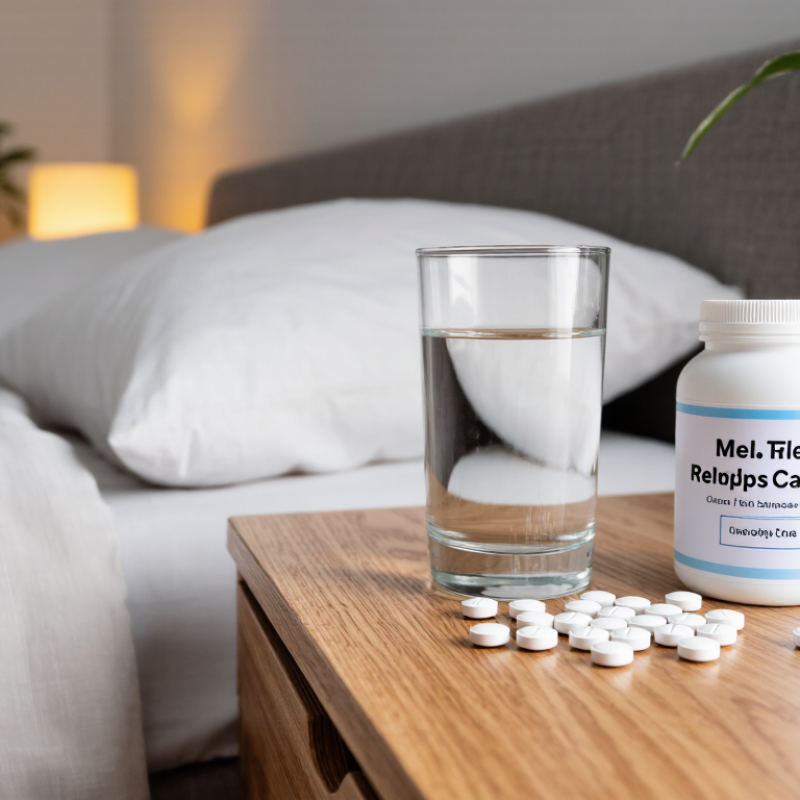
How to Choose the Best Melatonin Supplement in 2026?
Melatonin is a hormone produced mainly by the pineal gland at night. Darkness signals your brain to release it. Bright screens can delay that signal. Melatonin does not work like a strong sleeping pill. It mainly helps regulate your body clock and sleep timing. Its effects may be more noticeable after travel, shift changes, or an irregular bedtime.
Choosing a supplement requires more than selecting the highest strength. Look for a clearly stated dose, simple ingredients, an expiration date, and independent quality testing. Lower doses may be reasonable for some adults, but more is not automatically better. Take it at a consistent time, often one to two hours before bed, according to professional guidance. Timing is easy to underestimate. Many people blame melatonin when their late-night light exposure remains unchanged.
Evidence supports specific uses, but it is not equally strong for every sleep complaint. Ask a qualified healthcare professional before using it with medicines, during pregnancy, or for a child. Extra caution matters with mood disorders, seizure conditions, and chronic illness. Labels can be imperfect, and supplement quality may vary between batches. That uncertainty deserves attention. A cool, dark bedroom and a regular wake time still influence results more than most advertisements suggest.
| Selection Dimension | Evidence-Based Guidance | What to Look For | Important Considerations |
|---|---|---|---|
| Primary Purpose | Circadian timing support | Melatonin is most relevant for occasional difficulty falling asleep, jet lag, shift-work-related schedule changes, and some circadian rhythm disorders. | It may be less useful when the main problem is caused by pain, untreated sleep apnea, anxiety, or another medical condition. |
| Immediate-Release Formula | Often suitable for sleep onset | An immediate-release form generally delivers melatonin more quickly and is commonly considered when the difficulty is falling asleep. | It does not necessarily prevent waking later in the night. |
| Extended- or Prolonged-Release Formula | May support sleep maintenance | A prolonged-release formulation is designed to release melatonin over a longer period and may be considered for selected adults who have trouble staying asleep. | Release characteristics differ by product; do not assume that all tablets work the same way. |
| Starting Amount | Use the lowest practical amount | Many adults begin with a low amount, such as 0.5–1 mg, and assess the response before considering a change. | Higher amounts are not automatically more effective and may increase next-day drowsiness, vivid dreams, or headache. |
| Timing | Usually before the intended sleep period | For sleep onset, melatonin is commonly taken about 30 minutes to 2 hours before the desired bedtime, depending on the formulation and individual response. | Timing can differ when the goal is to shift the body clock, such as during jet lag or delayed sleep schedules. |
| Dosage Form | Choose for consistency and practicality | Tablets, capsules, liquids, and chewables may contain the same active ingredient but can differ in absorption, excipients, and ease of accurate measurement. | Liquid products should include a reliable measuring device. Chewables may contain added sugars or sweeteners. |
| Ingredient Simplicity | Prefer a clear, concise label | A product with a clearly stated melatonin amount and limited unnecessary ingredients makes it easier to evaluate tolerance and identify potential allergens. | Be cautious with blends containing multiple sedating herbs or compounds because their combined effects may be difficult to predict. |
| Quality Verification | Look for independent testing | Independent quality testing can help verify identity, strength, purity, and the absence of selected contaminants. | A testing seal does not prove that a product is effective for every person, but it can provide additional manufacturing-quality information. |
| Label Accuracy | Check the stated amount per serving | The label should clearly state the melatonin quantity per tablet, capsule, milliliter, or serving and provide a batch or lot identifier where applicable. | Dietary supplement contents can vary from their labels, so transparent testing and traceability are valuable. |
| Expected Onset | Not an instant sedative | Melatonin helps signal biological night and may support sleep timing; it does not work like a conventional prescription sleeping pill. | Dim evening light, a regular sleep schedule, and a cool, quiet bedroom can improve the overall sleep routine. |
| Common Short-Term Effects | Usually mild but individual | Reported effects may include sleepiness, headache, dizziness, nausea, or unusual dreams. | Avoid driving or operating machinery if drowsiness or impaired alertness occurs. |
| Medication Review | Consult a healthcare professional when needed | Professional advice is especially important when using anticoagulants, sedatives, anticonvulsants, diabetes medicines, blood-pressure medicines, or immunosuppressants. | Melatonin may interact with medicines and may not be appropriate for everyone. |
| Pregnancy and Breastfeeding | Seek medical advice first | Safety information during pregnancy and breastfeeding is limited, so use should be discussed with a qualified healthcare professional. | Do not self-start supplementation in these situations without individualized guidance. |
| Children and Adolescents | Professional guidance recommended | Use in children and adolescents should be discussed with a pediatric healthcare professional, particularly for ongoing sleep problems. | Keep all melatonin products out of children's reach because accidental ingestion can occur. |
| When to Reassess | Do not rely on indefinite self-treatment | If sleep problems persist, worsen, or occur with loud snoring, breathing pauses, restless legs, severe daytime sleepiness, or mood changes, seek medical evaluation. | The underlying cause of poor sleep should be assessed instead of simply increasing the amount. |