How to Choose the Best Vitamins for Female Hair Loss Recovery
Female hair loss is a common concern that many women face, often leading to feelings of insecurity and frustration. As hormonal changes, nutritional deficiencies, and stress take their toll on hair health, understanding how to support hair recovery becomes crucial. One of the most effective strategies involves the incorporation of Female Hair Loss Vitamins into the daily routine. These essential nutrients play a vital role in promoting hair growth and improving overall scalp health.
When selecting the best vitamins for hair loss recovery, it's important to consider the specific needs of your body. Nutrients such as biotin, vitamin D, and iron are known to play significant roles in the hair growth cycle. They not only nourish hair follicles but also help to prevent further hair loss by ensuring that the scalp receives the right balance of vitamins and minerals. Additionally, understanding your own body chemistry can aid in targeting the most effective solutions for your hair concerns.
In this guide, we will explore how to choose the best Female Hair Loss Vitamins suited to your individual needs. By evaluating various options and incorporating the right vitamins into your lifestyle, you can take proactive steps towards restoring your hair's vitality and thickness, ultimately regaining your confidence.

Understanding Female Hair Loss: Common Causes and Solutions
Female hair loss is a multifaceted issue often influenced by various factors, including hormonal changes, nutritional deficiencies, and underlying health conditions. A recent report from the American Hair Loss Association indicates that approximately 40% of women experience visible hair loss by the age of 40. Conditions such as polycystic ovary syndrome (PCOS), thyroid disorders, and stress-related telogen effluvium are commonly cited as significant contributors. Understanding these underlying causes is crucial in addressing hair loss effectively.
Nutritional deficiencies play a pivotal role in hair health, with certain vitamins and minerals being essential for maintaining strong, healthy hair. For instance, biotin, a B-vitamin, has been shown in a study published in the Journal of Clinical and Aesthetic Dermatology to improve hair growth in women experiencing thinning hair. Iron and vitamin D deficiencies are also linked to hair loss, as they are vital for follicle health and hair growth cycles. A holistic approach to managing female hair loss should include an assessment of these nutritional aspects, alongside medical interventions, to create a comprehensive recovery plan.
The Role of Vitamins in Hair Health: What You Need to Know
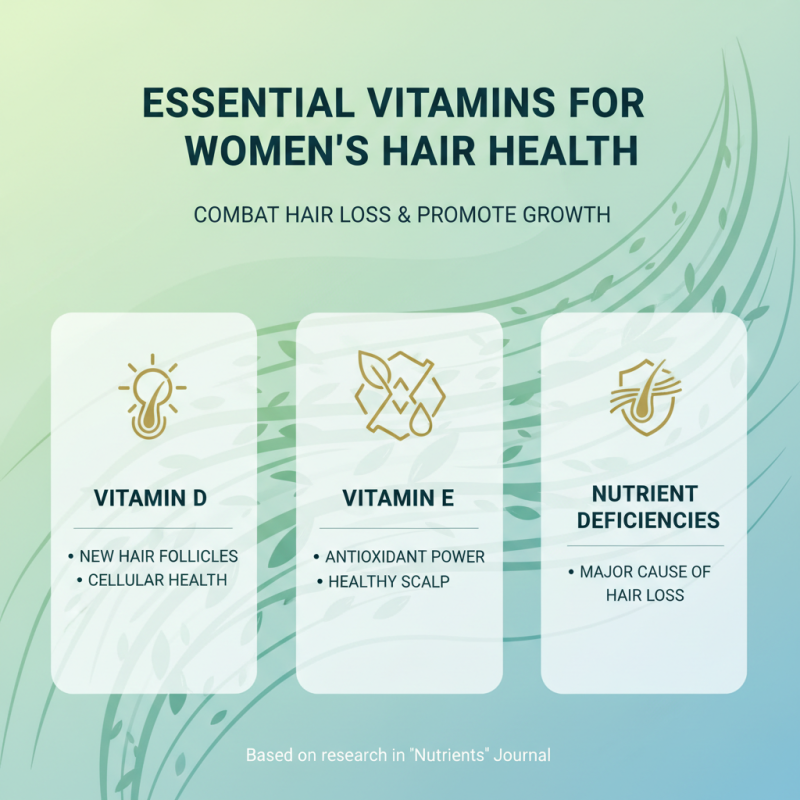
Vitamins play a crucial role in maintaining hair health, especially for women experiencing hair loss. Studies indicate that deficiencies in certain vitamins can significantly impact hair growth and overall hair structure. For instance, a research published in the journal "Nutrients" found that vitamins like D and E are essential for cellular health and hair follicle cycling. Vitamin D, in particular, is linked to the creation of new hair follicles, while Vitamin E acts as an antioxidant, promoting a healthy scalp and preventing oxidative stress that can lead to hair thinning.
Additionally, Vitamin B complex, particularly Biotin (B7), has been recognized for its involvement in keratin production, which is a key structural protein in hair. A survey conducted by the Department of Dermatology at the University of North Carolina revealed that 38% of women taking Biotin supplements reported improved hair growth and strength within six months. This highlights the importance of including these specific vitamins in one's diet or supplementation routine to support hair recovery and prevent further loss. Ensuring a balanced intake of these vitamins can contribute significantly to improving hair vitality and resilience in the face of hair loss challenges.
Key Vitamins for Hair Growth: A Comprehensive Guide for Women
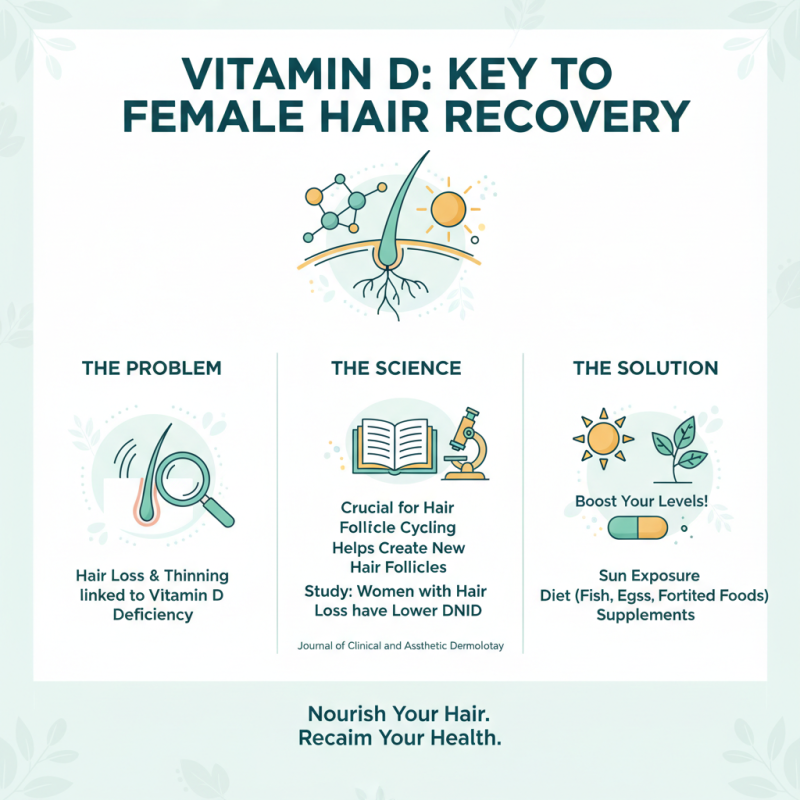
When it comes to female hair loss recovery, understanding the essential vitamins that support hair growth is crucial. Research indicates that deficiencies in certain vitamins can lead to hair thinning and loss. For instance, a study published in the "Journal of Clinical and Aesthetic Dermatology" found that women with hair loss had significantly lower levels of Vitamin D, a nutrient crucial for hair follicle cycling. Vitamin D is not only vital for bone health but also plays a role in creating new hair follicles, making adequate levels essential for promoting hair growth.
Another key player in the hair growth process is Biotin, a B-vitamin. According to a report from the American Academy of Dermatology, Biotin supplementation can improve hair growth and strengthen hair in those who experience hair thinning. While the exact mechanism is still being studied, biotin is known to enhance the keratin infrastructure, which is a fundamental component of hair, skin, and nails. Moreover, Vitamins A and E are significant antioxidants that protect hair follicles from oxidative stress caused by free radicals, fostering a healthier scalp environment for hair to thrive. With the right blend of these vitamins, women can equip themselves with the necessary tools for effective hair loss recovery.
How to Select the Right Vitamin Supplements for Your Needs
When selecting vitamin supplements for hair loss recovery, it's essential to focus on the specific nutrients that contribute to hair health. Vitamins such as Biotin, Vitamin D, and Vitamin E are known for their benefits in promoting hair growth and strengthening hair strands. Before choosing a supplement, consider your individual dietary needs, lifestyle, and any underlying health conditions that may affect hair loss. A well-rounded supplement should ideally include a blend of these vitamins along with minerals like Zinc and Iron, which play crucial roles in hair follicle function.
Another critical aspect is understanding the dosage and bioavailability of the vitamins in the supplements. The body’s ability to absorb vitamins can vary, so it's advisable to select products that utilize formulations enhancing nutrient absorption. Additionally, do not overlook the importance of consulting with a healthcare professional before starting any vitamin regimen, especially if you are pregnant, nursing, or have any medical conditions. Tailoring your choice to your specific needs will help ensure that you are increasing your chances of successfully combatting hair loss with the right vitamin supplements.
How to Choose the Best Vitamins for Female Hair Loss Recovery - How to Select the Right Vitamin Supplements for Your Needs
| Vitamin |
Benefits for Hair Health |
Recommended Daily Intake |
Sources |
| Biotin (Vitamin B7) |
Promotes hair growth and strength |
30 mcg |
Eggs, nuts, whole grains |
| Vitamin D |
Stimulates hair follicle growth |
600 IU |
Sunlight, fatty fish, fortified foods |
| Vitamin E |
Improves blood circulation to the scalp |
15 mg |
Nuts, seeds, green leafy vegetables |
| Vitamin A |
Keeps hair moisturized and healthy |
700 mcg |
Carrots, sweet potatoes, spinach |
| Folic Acid (Vitamin B9) |
Supports hair follicle health |
400 mcg |
Legumes, citrus fruits, whole grains |
Incorporating Vitamins into Your Diet: Best Sources and Tips
Incorporating essential vitamins into your diet can significantly aid in hair loss recovery for women. Research indicates that specific vitamins play a crucial role in maintaining follicle health and supporting hair growth. For instance, Vitamin D is known to be linked to hair follicle cycling. A study published in the Journal of Investigative Dermatology revealed that Vitamin D helps create new hair follicles, which is crucial in combating hair thinning and loss. Additionally, B vitamins, particularly Biotin, have been shown to enhance hair strength and promote growth. A deficiency in Biotin can lead to brittle hair and, ultimately, hair loss.
To ensure you are getting the right vitamins, here are a few tips: First, focus on incorporating a variety of whole foods rich in these vitamins into your daily meals. Leafy greens, nuts, seeds, and fish are excellent sources of Vitamin D, while eggs and avocados are rich in B vitamins. Secondly, consider maintaining a balanced diet that includes adequate protein, as hair is predominantly made of protein. Lastly, regular check-ups with a healthcare provider can help identify any deficiencies in your body, allowing you to tailor your diet effectively.
By making conscious dietary choices and embracing these tips, women can create a supportive environment for hair recovery and health. Remember, while vitamins are beneficial, they should complement an overall healthy lifestyle, including hydration and stress management.
Vitamin Contributions to Hair Health
 +852 54195003