China Best Biotin Vitamins for Hair Manufacturer?
Choosing a China-based manufacturer for Biotin Vitamins For Hair takes more than comparing prices or attractive packaging. Buyers should examine ingredient identity, dosage accuracy, batch traceability, and documented quality checks. A clear certificate of analysis should match the finished product, not merely the raw biotin powder. Ask how the manufacturer handles supplier qualification, production records, and stability testing. Details matter. A tidy sample bottle cannot prove consistent production.
Dermatologist Dr. Shari Lipner has emphasized that biotin supplements are unlikely to improve hair growth when a person is not biotin-deficient. Her clinical point, paraphrased, is simple: biotin is not a guaranteed hair-growth fix. This perspective matters when assessing product claims. Hair changes can have many causes, and a supplement should not be presented as a universal solution.
A credible supplier should answer technical questions plainly and provide records that buyers can verify. Review manufacturing controls, testing methods, packaging protection, and how ingredient changes are documented. Ask for evidence behind each proposed claim. Then compare the answers, not just the brochure. Still, even careful checks have limits; a factory audit captures one moment, not every future batch. That deserves reflection. This outline introduces practical ways to assess Chinese manufacturers while keeping product quality, responsible communication, and realistic expectations in view.
What Biotin Hair Vitamins Are and How They Are Formulated
Biotin, also called vitamin B7, is a water-soluble nutrient that helps enzymes process fats, carbohydrates, and proteins. It is often included in hair supplements because deficiency can affect hair, skin, and nails. That does not mean extra biotin reliably thickens hair in people with adequate intake. Evidence for routine supplementation is limited. That distinction matters. Before designing a formula, a responsible manufacturer should consider intended users, serving size, and applicable nutrition guidance. High doses are not automatically better, and biotin can interfere with certain laboratory test results.
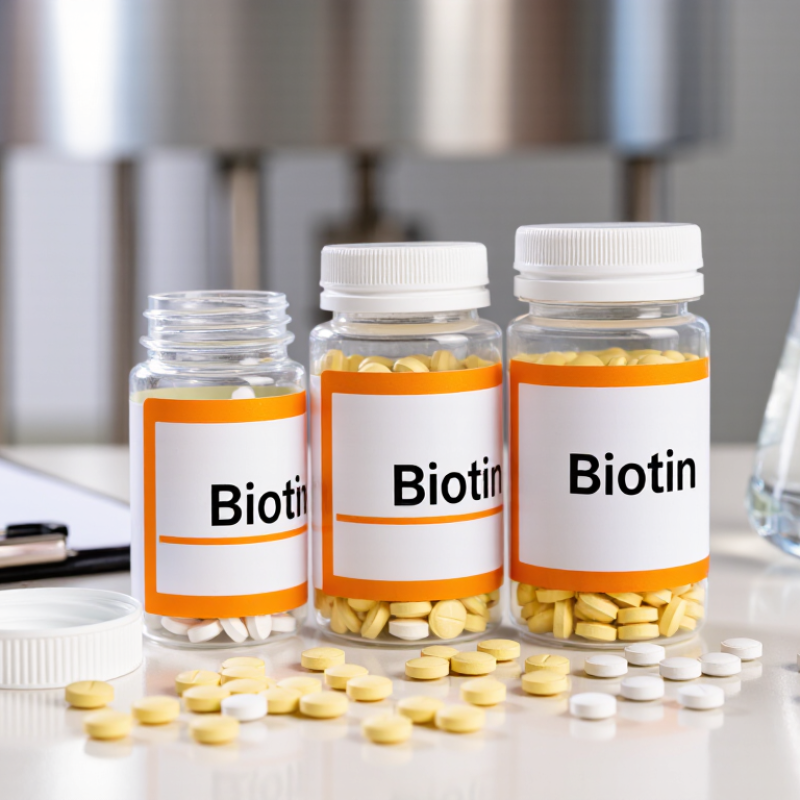
A practical product starts with a defined biotin source and a measured target amount per serving. Formulators then choose a format, such as a tablet, capsule, or gummy, while checking taste, moisture, and stability. Other nutrients may be added, but each ingredient should have a clear purpose and compatible specifications. Too many additions can make the label look impressive without improving the formula. Simple is often clearer. Manufacturing controls should verify ingredient identity, potency, microbial quality, and batch consistency through documented testing. For gummies, heat and moisture deserve particular attention; for tablets, compression can affect disintegration. When evaluating a manufacturer in China, buyers should request specifications and ask how testing results are documented, rather than relying on broad hair-growth promises.
Common Ingredients in Biotin Supplements for Hair
Common Ingredients in Biotin Supplements for Hair
Biotin is the headline ingredient in many hair supplements. It helps the body process fats, carbohydrates, and proteins, but extra biotin may not improve hair in people who already get enough. Eggs, nuts, and legumes provide dietary biotin. Details matter.
Some formulas also contain zinc, selenium, vitamin D, or B vitamins. These nutrients support normal body functions, including those involved in healthy hair growth. But more is not always better. Excessive intake of certain nutrients can cause problems, so check serving sizes and avoid stacking several products without guidance.
Collagen peptides and vitamin C may appear together in some products. Vitamin C helps the body make collagen, while collagen itself is a protein used in connective tissues. Evidence that these ingredients directly restore hair is still limited. Not guaranteed. Hair thinning can have many causes, including illness, stress, hormonal changes, or nutrient deficiencies. A clinician can help identify the cause, especially when shedding is sudden or persistent. One practical detail: biotin supplements can interfere with some laboratory tests. Tell your healthcare professional about them before blood work.
Biotin in Selected Foods: Context for Hair Supplement Formulas
Biotin is a common ingredient in hair supplements. These foods provide a useful reference for comparing naturally occurring biotin amounts.
Values are approximate micrograms per serving. The U.S. adult Daily Value for biotin is 30 mcg. Food values: NIH Office of Dietary Supplements.
How to Evaluate Biotin Vitamin Manufacturers in China
China Best Biotin Vitamins for Hair Manufacturer?
How to Evaluate Biotin Vitamin Manufacturers in China
The Council for Responsible Nutrition’s 2023 survey found that 74% of U.S. adults used dietary supplements. That demand makes supplier screening important, but it does not prove biotin improves hair for everyone. The U.S. NIH Office of Dietary Supplements says evidence for hair benefits is limited in people without biotin deficiency. Be precise about claims.
Ask manufacturers for a current specification sheet, ingredient origin, allergen controls, and a batch-specific certificate of analysis. Check that the assay method suits biotin and that testing comes from an independent laboratory accredited to ISO/IEC 17025 for the relevant scope. Compare measured results with the label claim, not just a generic sample. Request stability data for the intended package, especially if bottles may face heat or humidity during shipping. Small details matter.
Review quality-system records, traceability, complaint handling, and change-control procedures. Ask for a recent audit summary and verify facility details independently. For products intended for the U.S. market, FDA dietary supplement cGMP requirements under 21 CFR Part 111 offer a useful benchmark, not a universal certification. I would not choose on price alone; a polished brochure still leaves questions. Confirm who releases each batch, how out-of-spec results are handled, and whether retained samples are available.
Manufacturing Standards and Quality Testing to Consider
A reliable biotin manufacturer should document each production step, from incoming raw material to sealed bottle. Under FDA’s 21 CFR Part 111, dietary supplement makers must establish specifications and verify ingredient identity. Ask for batch-specific records, not a generic certificate. The results should show biotin identity and potency, plus relevant microbial and heavy-metal tests. Independent testing is stronger when the laboratory’s ISO/IEC 17025 accreditation covers the methods used. Small details matter: a clear sample label, traceable lot number, and intact seal help connect test results to the finished product.
Dose accuracy deserves close attention. The NIH Office of Dietary Supplements lists 30 micrograms per day as the adult adequate intake and notes that biotin deficiency is rare. A high-dose product therefore needs careful potency checks and restrained hair-growth claims. AACC guidance reports that doses of 5 milligrams or more can interfere with certain laboratory tests; some methods may require longer than eight hours before testing. Stability data should also confirm potency near the end of shelf life, not only when powder leaves the factory. A clean certificate is useful, but it cannot replace reviewing the method, sample, and actual batch.
How to Compare Suppliers and Plan Product Sourcing
When comparing China-based biotin vitamin suppliers, look beyond a polished catalogue. Ask for the product specification, ingredient source, batch certificate of analysis, and testing methods. Check whether testing covers identity, potency, and relevant contaminants. Small details matter. Confirm that quality certificates are current and apply to the actual manufacturing site and product category. A video tour or sample can help, but neither replaces documented controls. I would not treat a fast reply as proof of reliable production.
Plan sourcing around your market, formula, and launch schedule. Compare minimum order quantities, sample fees, production lead times, packaging options, and who handles freight documentation. Request a written quotation with the same specifications from each supplier; otherwise, low prices may hide different ingredients or service levels. Biotin products should not be presented as guaranteed hair-growth solutions. Review proposed claims with qualified regulatory professionals for your target market. Leave time for sample review and stability questions. That takes time. I have seen sourcing plans focus too much on unit cost, and that is an easy mistake to repeat.
 +852 54195003