+852 54195003



- Home
- Products
- About US
- FAQ
- News
- Tips
- Contact Us
Leave Your Message
-
Phone
-
E-mail
-
WhatsApp
-
WA Business

Global buyers evaluating Black Maca need more than a polished label and a low quotation. They need to know what the product contains, where it was grown, and how each batch was handled. Small details matter: a lot number on the pouch, a clear botanical name, and a supplier willing to share recent test results. Start with questions, not promises.
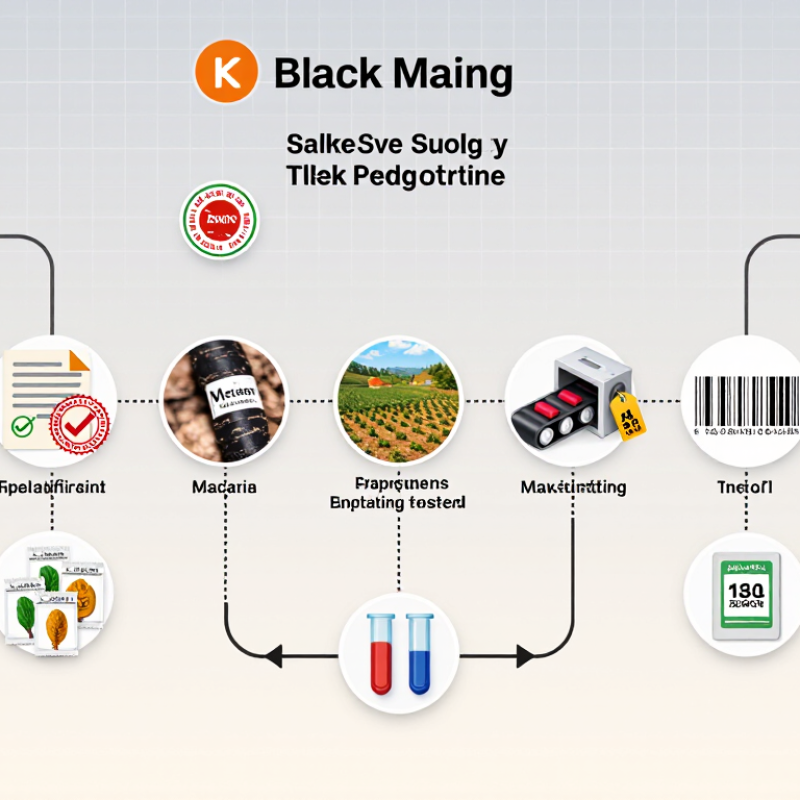
Maca researcher Dr. Gustavo F. Gonzales has published work on maca’s biology and use. A fair paraphrase of an evidence-first buying principle is: “Check the evidence before trusting the claim.” Treat that as guidance, not a direct quotation. The seven buying tips in this outline focus on botanical identity, origin, processing, specifications, independent testing, traceability, and supplier consistency. Ask whether “black” describes the verified maca type or merely the product’s branding. Request documentation for identity and relevant safety testing, then check that the documents match the batch being offered. Details should line up.
There are limits. A neat certificate can still leave questions unanswered, and a supplier’s confident email is not proof of consistency. Compare samples with written specifications, clarify storage and packaging, and keep records of changes between orders. No checklist removes every doubt. That is worth remembering. The strongest sourcing decision is not always the cheapest or fastest; it is the one supported by clear, verifiable information and realistic expectations. This introduction sets up seven practical checks for buyers who want to assess Black Maca carefully, communicate with suppliers clearly, and avoid relying on marketing language alone.
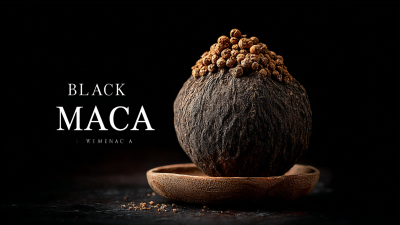
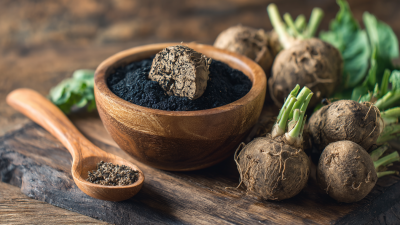
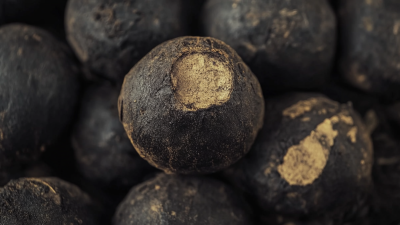
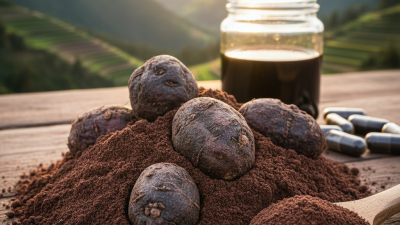
Black maca is a dark-root form of maca, a plant traditionally grown in the highlands of Peru. It is sold as dried powder, capsules, and concentrated extracts. The color alone does not tell you how a product was processed or what it contains. Check the ingredient list for the root part used, added ingredients, and clear serving information. Keep it simple.
Choose a form that fits your routine. Powder mixes into oatmeal or a smoothie, though its earthy taste can be strong. Capsules are convenient when you want a measured serving and less flavor. Extracts may be more concentrated, but concentration methods and serving sizes can differ. A higher number on the label does not automatically mean a better choice. Product labels can be confusing, and even careful buyers may need to compare them twice.
Tip: Ask suppliers for origin details, batch identification, and independent test documentation when available. Check whether testing covers identity and contaminants, and confirm that the report matches the specific batch. Look for storage guidance and a realistic shelf life, too. For international orders, review local import requirements before buying; rules vary by destination. One point is easy to overlook: processing and storage can affect quality, so a neat package is not proof of careful handling.
| Buying Tip | What to Check | Why It Matters | Product Form to Consider | Buyer Verification |
|---|---|---|---|---|
| 1. Confirm what “black maca” means | Look for the botanical name Lepidium meyenii (also commonly called Lepidium peruvianum) and a clear description of the black-root material. | Black maca refers to a color type of maca root, not a separate plant species. Color alone does not establish identity, quality, or potency. | Powder, capsules, or extract | Request a product specification and batch documentation identifying the botanical material and plant part used. |
| 2. Check origin and traceability | Ask for the country and region of cultivation, harvest or production, and lot-level traceability information. | Maca is native to the Andes, and origin information helps buyers assess supply-chain transparency. Origin by itself is not proof of product quality. | Any form | Match the origin statement and lot code across the specification, invoice, packaging, and certificate of analysis (COA), where available. |
| 3. Choose raw or gelatinized powder deliberately | Check whether the powder is raw or gelatinized, and ask how it is processed. Gelatinization uses heat and moisture; it does not mean gelatin is added. | Processing can affect starch content, texture, and how the powder behaves in food. “Gelatinized” does not mean the product contains animal-derived gelatin. | Raw powder for minimally processed use; gelatinized powder for a processed powder option | Request the processing description and allergen or ingredient statement; do not infer processing from color or taste. |
| 4. Match the form to the use case | Compare powders for recipes, capsules for convenient measured servings, and extracts for products with a clearly stated extract ratio or standardization. | Forms differ in serving size, handling, and formulation. An extract ratio alone does not establish equivalence to a specific amount of whole root. | Powder, capsules, or extract | Compare the ingredient amount per serving, excipients, extraction details, and intended application before comparing prices. |
| 5. Review batch testing and quality controls | Ask for a recent COA tied to the supplied lot, with relevant identity and contaminant tests such as heavy metals and microbiological limits. | A lot-specific report is more useful for evaluating a shipment than a generic quality statement. Testing panels should reflect the product and applicable market requirements. | Any form | Check the lot number, test date, methods, results, and laboratory details; confirm that results meet the relevant destination-market limits. |
| 6. Verify labeling and market requirements | Review ingredient names, serving information, allergens, language, claims, and required warnings for the destination country. | Food and supplement rules vary by market. A label or claim accepted in one country may not satisfy another country's requirements. | Finished capsules or retail-ready powder | Have the final label and proposed claims reviewed against current local regulations before import or sale. |
| 7. Assess packaging, storage, and claims | Check the seal, moisture protection, storage instructions, shelf life, and whether marketing claims are appropriately supported. | Powders can be affected by moisture and handling. Evidence for maca-related health effects is limited, so avoid treating broad performance or medical claims as established facts. | Powder for bulk use; sealed capsules or packs for convenient retail handling | Request packaging specifications, shelf-life basis, storage conditions, and substantiation for any claims used on product materials. |
Note: This table is a purchasing checklist, not medical advice. Product specifications and regulatory requirements should be verified for each batch and destination market.