Is Black Maca the Best Superfood for Global Sourcing?
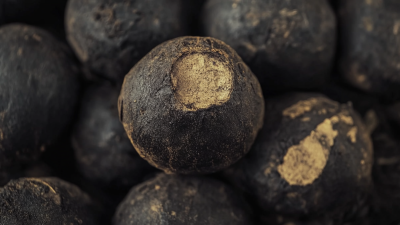
Black Maca, a unique variant of the maca root, is gaining attention as a potential superfood for global sourcing. Recent studies indicate a growing demand for superfoods, with the global market projected to reach $200 billion by 2025. Black Maca, renowned for its rich nutrient profile, may play a significant role in this market. Known for its potential health benefits, such as enhancing energy and supporting hormonal balance, Black Maca stands out among other nutrient-rich foods.
The nutritional value of Black Maca is impressive. It contains essential amino acids, vitamins, and minerals. Reports suggest that it can improve mood and cognitive function. However, sourcing quality Black Maca remains a challenge. Variability in soil, climate, and cultivation practices can affect its potency. This calls for a more standardized approach to sourcing and quality assurance.
While the potential of Black Maca is promising, concerns about sustainability and ethical sourcing practices must be addressed. As its popularity rises, so does the risk of overharvesting. Responsible sourcing is vital to ensure long-term benefits. Acknowledging these complexities is crucial for anyone considering Black Maca as a global superfood.
Introduction to Black Maca and Its Nutritional Profile
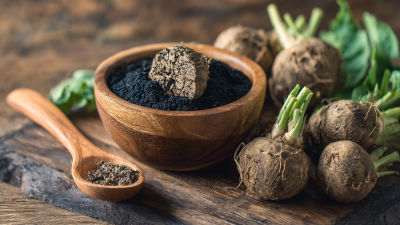
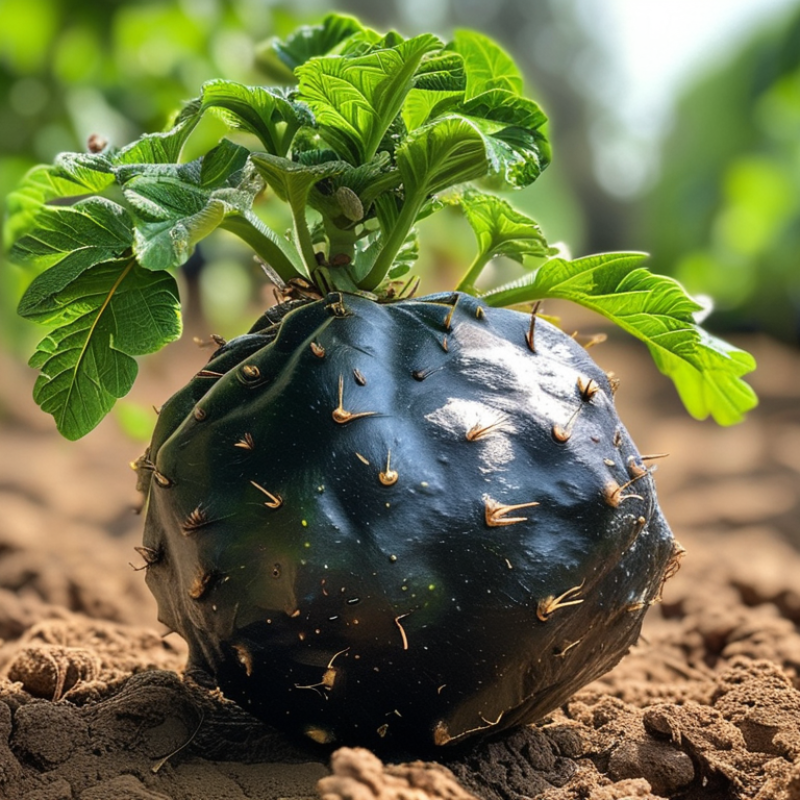
Black Maca, a root vegetable from Peru, has gained significant attention for its impressive nutritional profile. This superfood is rich in essential vitamins and minerals. It contains vitamin C, copper, iron, and various B vitamins. These nutrients contribute to overall health and well-being. The unique composition of Black Maca can enhance energy levels and support hormonal balance.
The potential health benefits of Black Maca extend beyond basic nutrition. Some studies suggest it may improve libido and fertility, particularly in men. The active compounds, known as macamides, may play a role in these effects. Despite its many advantages, more research is necessary to understand its full impact on health. It's essential to approach any superfood with caution and awareness.
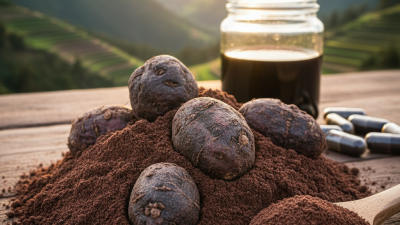
Integrating Black Maca into your diet can be easy. It can be added to smoothies, oatmeal, or baked goods. However, not everyone may respond positively. Some users report digestive discomfort. This variability highlights the need for personalized nutrition. It's important to consider individual reactions when adding new foods.
Is Black Maca the Best Superfood for Global Sourcing?
| Nutrient |
Amount per 100g |
Daily Value % |
| Calories |
325 kcal |
16% |
| Protein |
14 g |
28% |
| Fiber |
7 g |
28% |
| Fat |
2.2 g |
3% |
| Vitamin C |
60 mg |
67% |
| Iron |
14 mg |
78% |
| Calcium |
270 mg |
27% |
Historical Background of Maca Cultivation and Usage
Maca, known scientifically as Lepidium meyenii, has a rich history of cultivation. Native to the Andean mountains of Peru, this root vegetable was traditionally used by indigenous communities. They valued it for its nutritional properties and energizing effects. Recent studies highlight its potential benefits, including improved fertility and enhanced stamina.
According to a report by the National Institutes of Health, maca root contains vital amino acids and minerals. It is rich in antioxidants, making it a popular choice among health enthusiasts. The Black Maca variety is particularly valued for its high nutrient density. Research indicates that it may promote balance in hormone levels, appealing to many in modern wellness circles.
Tip: To integrate maca into your diet, consider adding it to smoothies or baked goods. A small dosage can provide significant benefits.
However, despite its touted advantages, not all studies are unanimous. Some research suggests that the effects of maca can vary depending on individual health conditions. Always consult a healthcare professional before making significant dietary changes.
Tip: Start with small amounts and observe how your body responds over time. Recognizing your body's signals is key to effective supplementation.
Global Production of Maca by Region (in Metric Tons)
Global Sourcing of Black Maca: Key Regions and Practices
Black Maca has gained attention as a potential superfood. Sourced mainly from Peru, it thrives in the harsh climate of the Andes Mountains. Farmers in this region are increasingly adopting sustainable practices to cultivate this root vegetable. They recognize that proper farming methods can enhance nutrient density and quality.
In addition to Peru, other countries are exploring Black Maca cultivation. Bolivia and Ecuador show promise as emerging regions. However, challenges persist in these areas, such as inconsistent harvesting and knowledge gaps among farmers. Expertise in proper soil management is crucial. Without it, the potential benefits of Black Maca may not reach consumers fully.
Quality control remains a concern in global sourcing. Not all Black Maca sold is genuine. Some products may be mixed with other types. This can mislead consumers who seek the benefits of authentic Black Maca. Educating consumers about sourcing practices is essential. Transparency in the supply chain can build trust.
Health Benefits of Black Maca Compared to Other Superfoods
Black Maca has gained attention as a superfood, especially for its distinct health benefits. Compared to other superfoods, it stands out for its potential to enhance energy levels and support hormonal balance. Research suggests that Black Maca may improve stamina and athletic performance. Some users report feeling more energetic and focused after incorporating it into their diets.
When considering superfoods, it’s wise to pay attention to personal needs. Everyone's body reacts differently to these foods. Black Maca may not be suitable for everyone. Its effects can vary based on individual health conditions. Always consider consulting a healthcare professional before making drastic changes.
Look for high-quality sources when choosing Black Maca. Authenticity matters. Not all products labeled as Maca are equal. Stick to reputable suppliers known for transparency. This ensures you're getting the most benefits while avoiding any potential contaminants. Regularly assess how your body responds to any new addition to your diet. Personalize your approach to wellness.
Challenges and Considerations in the Black Maca Supply Chain
The supply chain for black maca faces numerous challenges. Sourcing is often complicated due to its specific growing conditions. This root crop thrives in high altitudes, primarily found in the Andes mountains. Such geographic limitations restrict widespread cultivation. Weather variations can impact yields, leading to inconsistent availability.
Transportation is another hurdle in the black maca supply chain. Many farmers in remote areas lack access to efficient transport. This can result in delays and increased costs. When products reach international markets, they may not retain optimal freshness. Additionally, quality control can vary among suppliers, affecting consumer trust.
Ethical sourcing should be a priority in the industry. Many farmers earn minimal profits. This raises questions about fair trade practices. Ensuring equitable compensation for local growers is essential. Transparency in the supply chain could help address these issues. Building a reliable system will benefit all stakeholders involved. Addressing these challenges takes time and effort, but it is necessary for sustainable growth.
 +852 54195003