Best Sleep Supplements for a Good Night's Rest?
In the fast-paced world we live in, achieving a good night's rest often feels like a distant dream. Sleep supplements have emerged as a popular solution for those seeking improved sleep quality. Dr. Michael Breus, a renowned sleep expert known as “The Sleep Doctor,” emphasizes, “Sleep supplements can be a useful tool, but they are not a magic fix.” His insights remind us that while these products can aid sleep, they should complement healthy sleep habits rather than replace them.
Many people struggle with insomnia or restless nights, causing fatigue and decreased productivity. The market is flooded with sleep supplements, ranging from melatonin to herbal blends. However, choosing the right one can be overwhelming. Understanding the ingredients and their effects on your body is crucial. Not all supplements are created equal; some may work brilliantly while others might fall flat. It’s essential to approach this remedy with a critical eye.
Despite the appeal of these sleep aids, there is no one-size-fits-all solution. Individual responses to sleep supplements can vary. It’s essential to experiment cautiously and reflect on what works for you. Consulting with a healthcare professional can provide additional guidance. By doing so, you can harness the potential of sleep supplements while fostering good sleep hygiene for lasting, restorative sleep.

Understanding Sleep Supplements: What They Are and How They Work
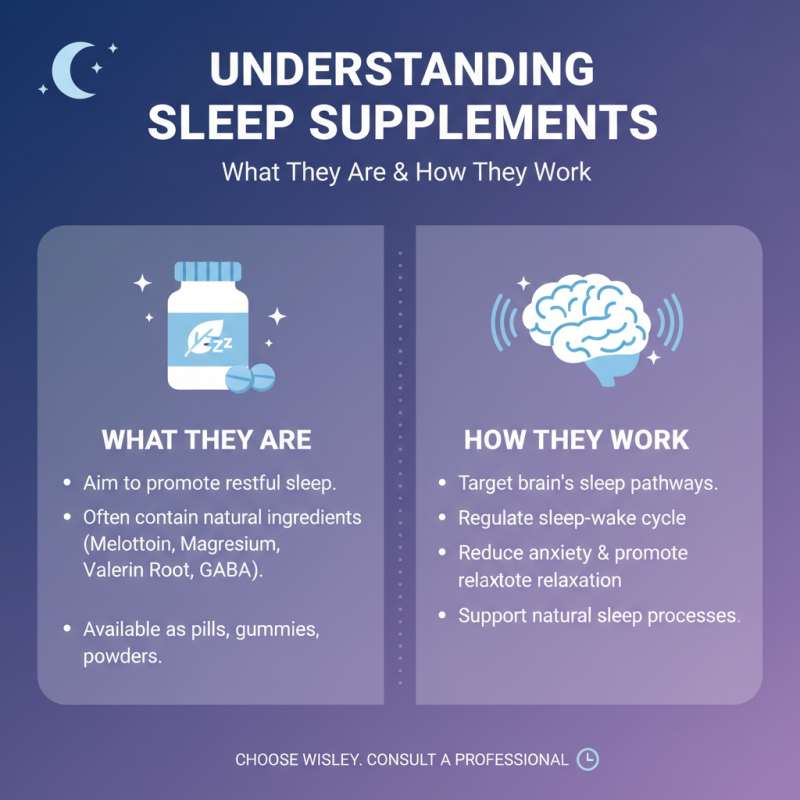
Many people struggle with sleep issues. Sleep supplements aim to help by promoting restful sleep. They can affect the body in different ways, targeting the brain’s sleep pathways. Understanding how these supplements work is crucial for choosing the right one.
Common ingredients include melatonin, valerian root, and magnesium. Melatonin regulates the sleep-wake cycle. Valerian root is believed to reduce anxiety and promote relaxation. Magnesium aids in muscle relaxation and can enhance sleep quality. However, individual responses may vary significantly.
Not every supplement will work for everyone. Some users report vivid dreams or grogginess the next day. It's essential to approach sleep supplements with caution. Consulting a healthcare professional before starting any supplement is advisable. This ensures safety and appropriateness for individual health needs.
Common Ingredients in Sleep Supplements and Their Effects
Sleep supplements often contain key ingredients that help improve sleep quality.
Melatonin is one of the most commonly used. Research indicates that melatonin can help regulate the sleep-wake cycle, especially for people with irregular sleep patterns. Studies show that melatonin can reduce sleep onset time by about 15 minutes on average. However, results can vary significantly among individuals.
Another popular ingredient is valerian root. A meta-analysis of several studies suggests that valerian may significantly improve sleep quality. Users often report faster sleep onset and longer sleep duration. The exact mechanism is still being researched, but it may interact with GABA receptors in the brain. However, some individuals experience side effects like headaches or digestive issues.
L-theanine, found in green tea, is also of interest. It promotes relaxation without sedation. According to a study published in the Journal of Clinical Psychiatry, L-theanine can reduce stress-related symptoms and improve sleep quality over time. It is essential to remember that while these supplements can offer benefits, they may not work for everyone. Proper sleep hygiene practices should also be prioritized for optimal rest.
Research Evidence Supporting the Use of Sleep Aids
Sleep is vital for overall health. Yet, many struggle to get enough quality sleep. Various sleep supplements are available, but what does research say?
Studies reveal a keen interest in natural sleep aids. Melatonin, a hormone regulating sleep-wake cycles, shows promising results. A study published in the "Journal of Clinical Sleep Medicine" found that melatonin reduced sleep onset latency by about 50% in some cases.
Other supplements, like magnesium and valerian root, also gain attention. Research indicates that magnesium can improve sleep quality and reduce insomnia.
A detailed review highlighted that magnesium supplementation might enhance sleep efficiency, leading to deeper rest. Additionally, valerian root has been shown to reduce sleep disturbances.
A randomized clinical trial found that participants reported better sleep quality after valerian use.
However, not all supplements work for everyone. Individual responses can vary widely. Some may experience side effects, like morning grogginess.
Understanding personal health conditions is crucial when considering supplements.
Consultation with healthcare providers can ensure safe and appropriate use. Further research is needed to solidify the efficacy and safety of these sleep aids comprehensively.
Potential Side Effects and Risks Associated with Sleep Supplements
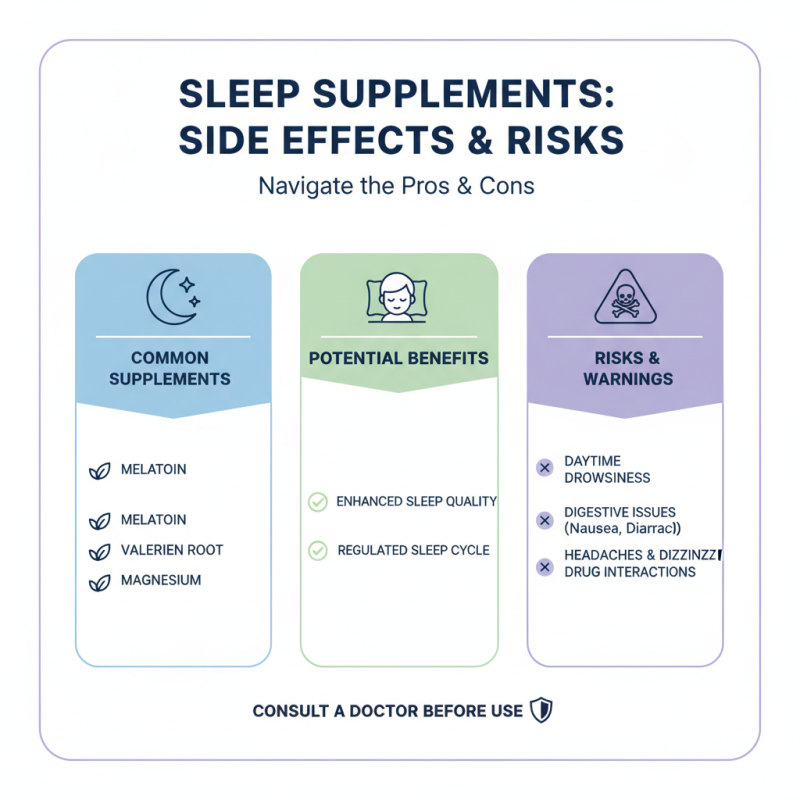
Sleep supplements can be helpful, but they come with potential side effects. Many people rely on melatonin, valerian root, or magnesium. While these can enhance sleep quality, they may also lead to unwanted reactions.
Some users experience dizziness, headaches, or digestive issues. These effects can disrupt daily life. Anyone considering these supplements should consult a healthcare professional, especially if they have underlying health conditions.
It's essential to be cautious. Tolerance can build over time, leading to increased doses. This can result in dependence, making it hard to sleep naturally. Reflecting on personal sleep habits may offer insights into whether a supplement is truly necessary.
Guidelines for Choosing the Most Effective Sleep Supplement for You
When selecting sleep supplements, consider your unique needs. Effective sleep aids can help improve sleep quality. However, they are not a one-size-fits-all solution. Research indicates that over 30% of adults experience sleep disturbances. Finding the right supplement can be challenging, but informed choices are crucial.
Look for supplements with well-studied ingredients. Melatonin, for example, is widely recognized for regulating sleep cycles. A study in the Journal of Clinical Sleep Medicine notes that melatonin can reduce sleep onset latency by about 30%. However, some people may experience grogginess. Adjusting the dosage is often necessary to find what works best for you.
Consulting with a healthcare provider can enhance your understanding of your needs. They can help navigate potential interactions with medications. Additionally, explore lifestyle factors impacting sleep. Stress, diet, and exercise play roles. Keeping a sleep diary might reveal patterns. Reflect on your progress and stay patient. Everyone’s body reacts differently. The journey to better sleep is a personal one.
Best Sleep Supplements for a Good Night's Rest
This chart presents the effectiveness ratings of various popular sleep supplements on a scale from 1 to 10, helping you determine which might be the most beneficial for a good night's rest.
 +852 54195003