Best Hair Loss Dietary Supplements That Actually Work?
In recent years, hair loss has become a common concern, affecting millions globally. According to the American Academy of Dermatology, nearly 80 million people in the U.S. suffer from hair loss. The search for effective solutions has led many to explore Hair Loss Dietary Supplements. These supplements promise to nourish hair follicles and promote growth. Yet, the effectiveness of these products can vary widely.
Studies show that certain nutrients play a crucial role in hair health. For example, biotin, zinc, and vitamins A and D are often highlighted in research. A 2021 study published in the Journal of Cosmetic Dermatology found that subjects taking specific dietary supplements saw a noticeable improvement in hair thickness and fullness over 12 weeks. However, not all products provide the same benefits, which raises questions about quality and formulation.
Consumers face challenges in navigating the supplement market. Misleading claims can lead to disappointment and wasted money. Furthermore, not everyone responds to dietary supplements in the same way. When considering a Hair Loss Dietary Supplement, personal research and professional advice are essential. Understanding the ingredients and their effects can be a game-changer in the quest for healthier hair.
Understanding Hair Loss: Causes and Effects
Hair loss can stem from various factors, profoundly affecting one's confidence. Genetics are often at play, making it a common concern for many. Hormonal changes, especially during pregnancy or menopause, can trigger unexpected thinning. Stress takes a toll too, leading to a temporary but noticeable loss of hair.
Diet plays a crucial role in hair health. A lack of essential nutrients can worsen the situation. Iron, zinc, and vitamins A and D are vital for maintaining strong, healthy hair. Yet, many people overlook these nutrients in their daily meals. Poor dietary choices could result in deficiencies, which may contribute to hair loss.
The emotional impact is significant and often underestimated. People facing hair loss might experience anxiety or depression. Finding effective solutions can feel like an uphill battle. Exploring dietary supplements could help. Yet, it’s essential to approach their effectiveness with caution. Not every product will work for everyone. Each individual’s body responds differently to supplements, making it a trial-and-error process.
Key Nutrients for Healthy Hair Growth
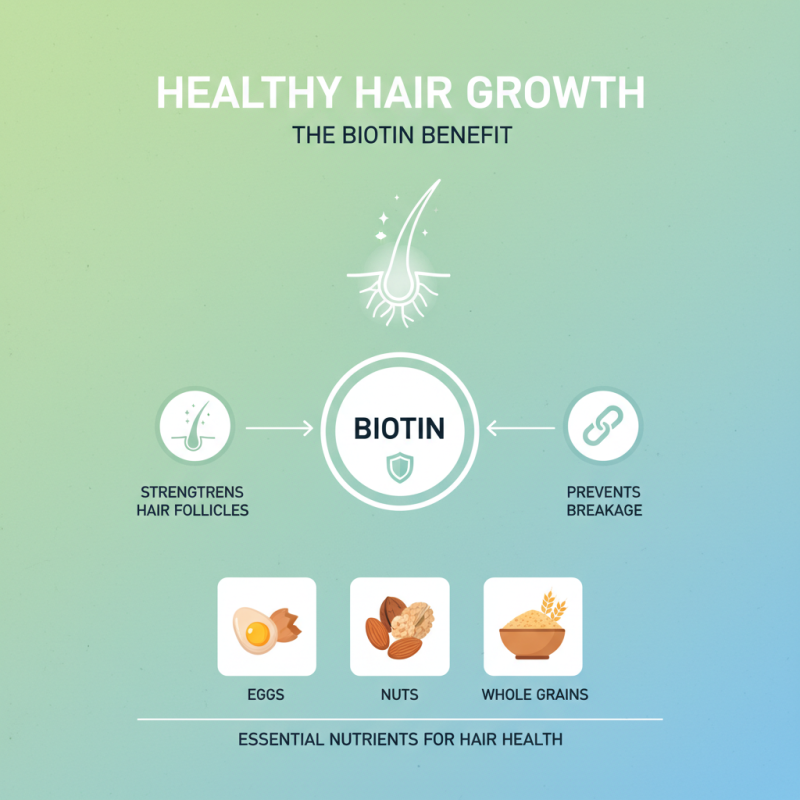
Healthy hair growth requires essential nutrients. Vitamins and minerals play a crucial role in maintaining hair health. Biotin is one of the key vitamins. It helps strengthen hair follicles, preventing breakage. Many people may not get enough biotin in their diets. Foods rich in biotin include eggs, nuts, and whole grains.
Iron is another vital nutrient for hair health. A deficiency can lead to hair loss. Iron helps red blood cells carry oxygen to hair follicles. Dark leafy greens and lean meats are great sources of iron. However, some individuals struggle to absorb enough iron through food alone. They may need to evaluate their dietary choices carefully.
Zinc also supports healthy hair growth. It helps maintain the oil glands around hair follicles. Without enough zinc, hair can become fragile. It’s found in foods like shellfish, legumes, and seeds. Some people find it challenging to balance nutrients in their meals. Over-relying on processed foods can lead to deficiencies. Focusing on a diverse diet may aid in solving this issue.
Top Dietary Supplements for Hair Loss: An Overview
Dietary supplements for hair loss can vary significantly in effectiveness. Many people rely on these products to combat thinning hair. Some common ingredients have gained attention for their potential benefits, yet results can differ greatly. For instance, biotin is often touted as a key player in strengthening hair. However, not everyone sees noticeable improvements.
Other nutrients, like zinc and vitamin D, are also popular. These are essential for hair health. Research suggests they may play a role in hair follicle function. Although some users report positive changes, others find little impact. This inconsistency raises questions about the efficacy of these supplements. It's vital to approach them with a critical mindset.
Moreover, lifestyle factors influence hair health too. Diet, stress levels, and hormonal changes can significantly affect outcomes. Supplements alone may not be a silver bullet. It's worth reflecting on the holistic approach to hair care. Finding balance through proper nutrition and a healthy routine may yield better results.
Scientific Evidence Supporting Hair Loss Supplements
Dietary supplements for hair loss have gained attention in recent years. Many people seek solutions beyond topical treatments. Some of these supplements are based on scientific research. That’s worth exploring.
Biotin is a common ingredient in hair supplements. This vitamin supports keratin production, which is essential for hair health. Some studies suggest biotin may improve hair growth in those with deficiencies. Iron and zinc also play crucial roles. Low levels of these minerals can lead to hair thinning. However, the evidence isn’t entirely robust. Not every person will see results, and some may not need supplementation at all.
Another popular option is saw palmetto. Some studies hint at its potential to block DHT, a hormone linked to hair loss. Yet, results vary widely. Individual responses differ greatly. While some see improvement, others report no change at all. Maintaining a balanced diet is equally crucial. Emotional and physical health affect hair growth as well. Supplements may help, but they work best when combined with proper nutrition and overall wellness.
Best Hair Loss Dietary Supplements That Actually Work
| Supplement |
Key Ingredients |
Scientific Evidence |
Recommended Dosage |
User Rating |
| Biotin |
Vitamin B7 |
Supported by multiple studies for hair growth. |
30-100 mcg per day |
4.5/5 |
| Saw Palmetto |
Serenoa repens |
Evidence shows it may block DHT. |
320 mg per day |
4.3/5 |
| Zinc |
Zinc sulfate |
Deficiency linked to hair loss. |
8-11 mg per day |
4.2/5 |
| Iron |
Ferrous sulfate |
Low iron levels associated with hair loss. |
8 mg for men, 18 mg for women |
4.1/5 |
| Omega-3 Fatty Acids |
Fish oil |
May promote hair thickness. |
250-500 mg per day |
4.4/5 |
How to Choose the Right Hair Loss Supplement for You
Choosing the right hair loss supplement requires careful consideration. Many options exist, but not all are effective. Look for natural ingredients known to promote hair health. Biotin and zinc are popular choices. They are often linked to hair growth and strength.
Evaluate your specific needs. Are you experiencing thinning hair or bald patches? Each condition may respond to different nutrients. Research benefits of vitamins like A and E. These can improve scalp health and enhance hair elasticity. Discuss with a healthcare professional before starting any supplement.
Don't expect immediate results. Supplements may take a few months to show effects. Consider tracking your progress with photos. Reflect on any changes in your hair health. It’s crucial to maintain realistic expectations. Supplements alone may not solve all issues. A balanced diet and proper hair care routine are also essential.
Hair Loss Dietary Supplements Efficacy Comparison
 +852 54195003