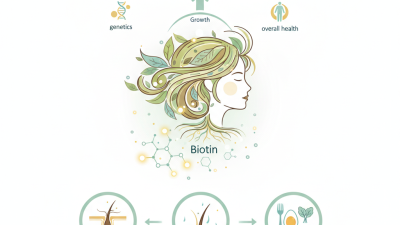
10 Best Biotin Hair Growth Products for Global Buyers
Hair thinning is a global concern, but biotin is not a universal solution. The National Institutes of Health Office of Dietary Supplements reports that biotin deficiency is rare in healthy people, while strong evidence for biotin supplements improving hair growth remains limited. That distinction matters when evaluating the 10 Best Biotin Hair Growth Products for Global Buyers. A product may support normal keratin production, yet it cannot replace medical assessment for sudden shedding, scalp inflammation, or nutritional deficiency.
The global hair care market continues to expand. Grand View Research valued the market at approximately USD 96 billion in 2023 and expects continued growth through 2030. This demand has increased interest in gummies, capsules, shampoos, serums, and combined formulas featuring zinc, collagen, or botanical extracts. Still, appealing packaging does not prove performance. Look for transparent biotin amounts, complete ingredient lists, manufacturer testing, allergen information, and clear usage directions. The U.S. Food and Drug Administration also notes that dietary supplements are not approved for safety and effectiveness before marketing in the same way as medicines.
Small details matter. A sealed bottle, readable batch code, and stable storage instructions can signal better quality control. However, labels differ across countries, and “high strength” may not mean better results. This guide compares product format, formulation, evidence, value, and international buying considerations. It also examines the phrase Biotin Growth Hair carefully, because marketing language can sound more certain than the science. One limitation remains: individual results vary, and some popular claims still need stronger clinical research.
What Biotin Does for Hair Growth and Who May Benefit
Biotin, also called vitamin B7, helps the body process fats, proteins, and carbohydrates. These nutrients support normal skin, hair, and nail function. However, biotin is not a guaranteed hair-growth solution. Research suggests that supplements help most when a person has a genuine deficiency. Deficiency is uncommon in healthy adults.
People with poor nutrient absorption may benefit more. Possible risk groups include those with certain digestive conditions, restricted diets, or rare inherited disorders. Some medicines may also affect nutrient levels. A healthcare professional can review symptoms, diet, and appropriate testing.
Hair thinning can also reflect thyroid changes, iron deficiency, stress, hormonal shifts, or scalp disease. Biotin cannot correct every cause.
Tips:
Check the supplement’s biotin amount and ingredient list. More is not always better. High-dose biotin may interfere with some laboratory tests, including thyroid and heart-related tests. Tell your clinician before blood work. Choose products with clear labeling and third-party quality testing when available. Local supplement rules differ across countries, so verify safety standards before buying.
Take photos of your hair under similar lighting each month. Results can be slow, subtle, or absent. That can feel disappointing.
My own view is cautious: healthy hair needs adequate nutrition, but a single vitamin rarely explains the whole picture.
How to Evaluate Biotin Hair Growth Products
How to Evaluate Biotin Hair Growth Products
A credible biotin product starts with evidence, not dramatic before-and-after photos. The National Institutes of Health reports an adult adequate intake of 30 micrograms daily. Biotin deficiency is uncommon, however. Evidence remains limited for hair growth in people without a deficiency. This matters when comparing products in the “10 Best Biotin Hair Growth Products for Global Buyers” category. Check the exact dosage, ingredient list, serving size, and manufacturing location. Avoid products promising guaranteed regrowth within days.
Quality signals deserve close attention. Look for batch testing, clear allergen information, expiration dates, and transparent certificates from independent laboratories. The U.S. Food and Drug Administration warns that high-dose biotin can interfere with some laboratory tests, including certain cardiac tests. Buyers should disclose supplementation before medical testing. Global shoppers must also check local labeling rules, because acceptable claims and nutrient limits differ by country. A professional-looking package is not proof of quality. I have seen attractive labels hide weak evidence.
Tips: Compare the biotin dose with the NIH reference, not with the loudest competitor. Review supporting nutrients, but question oversized blends. Read customer feedback for recurring complaints about taste, digestion, or damaged seals. A simple formula may be easier to evaluate. Keep expectations realistic. Hair changes slowly, and shedding can have many causes. When hair loss persists, consultation with a qualified clinician is more reliable than changing supplements repeatedly.
The 10 Best Biotin Hair Growth Products by Product Type
For global buyers, product type matters as much as biotin content. The ten strongest options include capsules, gummies, tablets, liquid drops, powders, scalp serums, shampoos, conditioners, leave-in sprays, and multinutrient formulas. Each suits a different routine, budget, and tolerance. Read the label. Small details matter.
Capsules and tablets usually provide measured doses and simpler storage. Gummies are easier to take, but often contain added sugar. Liquid drops can suit people who dislike swallowing pills, although accurate measuring is essential. Powders mix into water or smoothies, yet their flavor may affect daily use.
Scalp serums, leave-in sprays, shampoos, and conditioners work directly on hair and skin, but topical biotin evidence remains limited. They may improve manageability without changing the cause of hair loss. Multinutient formulas can include zinc, iron, or vitamin D, but more ingredients do not automatically mean better results.
A careful buyer should check the biotin amount, allergen statement, expiration date, and independent quality testing. Look for clear manufacturing information and packaging that protects liquids from heat. A dermatologist can help investigate shedding linked to thyroid conditions, medication, stress, or nutrient deficiency.
Biotin supports normal nutrient metabolism, but high-dose supplements are not proven to reverse every type of hair loss. High intake can also interfere with some laboratory tests. That warning is easy to miss.
I would compare serving size, evidence, and local regulations before choosing a product, while admitting that product reviews alone cannot replace clinical assessment.
Key Ingredients, Formulas, and Expected Results Compared
10 Best Biotin Hair Growth Products for Global Buyers
Comparing ten biotin hair growth products starts with the formula, not the front label. Most provide biotin, but amounts vary widely between capsules, gummies, powders, and liquid drops. A practical daily formula may also include zinc, vitamin D, iron, or vitamin B12 when a documented need exists. Collagen peptides can support protein intake, though they are not a direct hair-growth guarantee. Check serving size carefully. One gummy may equal only half a full serving.
Expected results should remain realistic. Biotin may improve brittle nails and hair quality mainly when deficiency exists. For healthy adults, dramatic regrowth is not strongly supported by current evidence. Hair grows slowly, often about one centimeter monthly. Visible changes may require three to six months, while reduced breakage can appear earlier. Topical biotin formulas sound attractive, but absorption evidence remains limited compared with oral supplements.
Global buyers should inspect allergen statements, expiration dates, dosage units, and independent quality testing. Labels may use micrograms or milligrams, creating easy reading errors. Products containing iron deserve extra caution, because unnecessary iron can cause harm. I would not rank a formula highly for a long ingredient list alone. In practice, simple capsules are easier to dose, while gummies may improve routine compliance but often contain added sugar. Results also depend on sleep, protein intake, thyroid health, and the real cause of shedding. That part is easy to overlook. Persistent loss deserves assessment by a qualified healthcare professional.
Global Buying Guide: Safety, Regulations, Shipping, and Value
10 Best Biotin Hair Growth Products for Global Buyers
A global “best” list should measure more than reviews and packaging. Check the biotin amount, complete ingredient list, batch testing, expiry date, and importer details.
The NIH Office of Dietary Supplements reports that biotin deficiency is rare. It also notes limited evidence for hair benefits in healthy people.
The U.S. FDA warns that high biotin intake may interfere with certain laboratory tests, including thyroid and heart-related tests. That warning belongs beside every buying decision.
Regulations change by destination. Supplements may require different labels, health claims, language, and responsible-person information in the European Union, United States, or Australia. Cosmetic products follow separate rules.
Review the EU Cosmetics Regulation 1223/2009 before ordering topical formulas. For delivery, compare tracked shipping, customs handling, temperature exposure, and return procedures. The World Bank’s 2023 Logistics Performance Index shows major differences in customs efficiency and delivery reliability between countries. A cheaper parcel may become expensive after duties. I would not trust a ranking based only on star ratings.
Tips:
Choose clear labels. Avoid miracle claims. Check third-party testing. Confirm local import rules before payment. Keep invoices and lot numbers.
If hair loss is sudden, speak with a qualified clinician. Honestly, even careful screening has limits; seller documents can be outdated, and shipping conditions are rarely visible.
 +852 54195003